
Posts by Editor
Common Reasons A Furnace Pilot Light Won’t Stay Lit

A furnace pilot light that goes out after heating can interrupt your home’s comfort. Several factors may affect the flame’s ability to stay lit, from aging components to issues with airflow or fuel delivery. Understanding the possible causes and recognizing warning signs can help homeowners decide when they need professional furnace service.
Read MoreGetting Your Oil Heating Radiator Ready for Cold Weather
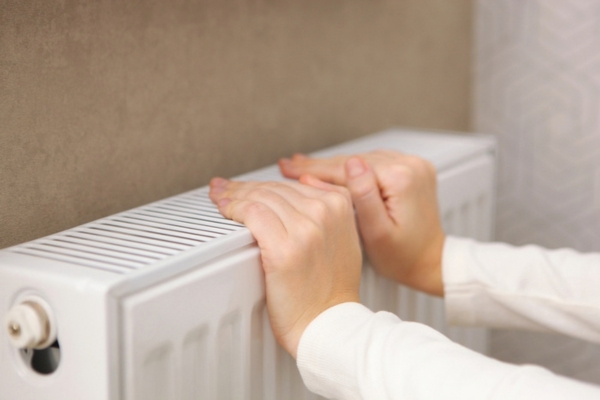
Preparing an oil heating radiator for winter can help support consistent warmth, efficient operation, and reliable performance when temperatures drop. From understanding how hydronic radiators distribute heat to recognizing signs of potential problems, proper care can make a difference. Learn what homeowners should know about radiator maintenance and the issues that may require professional attention.
Read MoreHow A Local Heating Oil Supplier Can Support Your Home
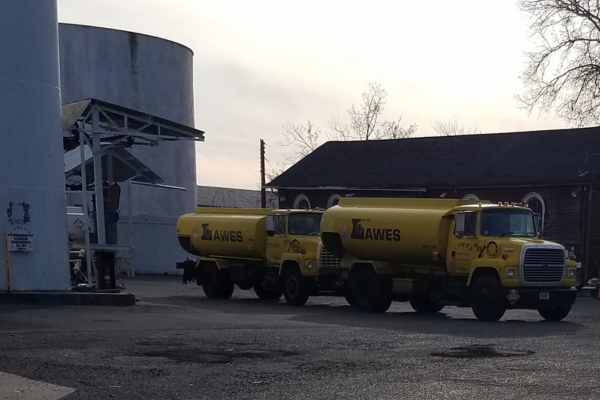
Choosing a local heating oil supplier can provide more than dependable fuel deliveries. Local providers may offer greater flexibility, personalized service, convenient payment options, and support tailored to regional heating needs. From winter preparation to delivery scheduling and home comfort services, a nearby supplier can make managing your heating needs simpler year-round.
Read MoreBeyond Cooling: The Surprising Health Benefits of Modern Air Conditioning Systems

Modern air conditioning has evolved far beyond basic temperature control. Today’s systems can influence several aspects of the indoor environment, from air quality to protection during extreme heat. With newer technologies offering improved filtration, efficiency, and temperature management, understanding these features can reveal some unexpected ways an AC system may benefit your home.
Read MoreImportant Features of a Solid HVAC Warranty
Understanding HVAC warranty coverage can help homeowners avoid unexpected repair expenses and make more informed decisions. Different warranties may protect equipment, parts, labor, or installation, while certain requirements can affect whether coverage remains valid. Knowing what to look for, what limitations may apply, and how claims work can make warranty terms easier to evaluate.
Read MoreSmart Summer Landscaping Around Your Heating Oil Tank
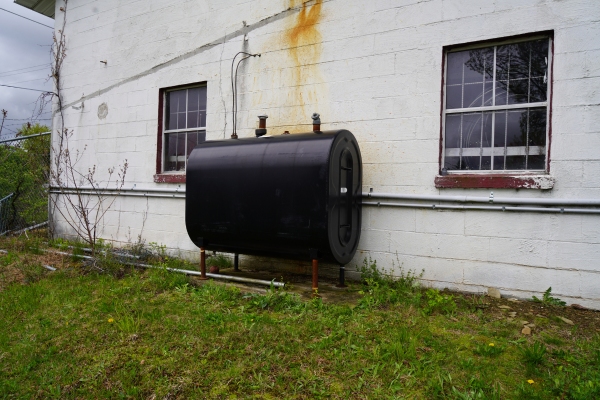
Summer can also create unique challenges for the area surrounding your heating oil tank. Landscaping, plant growth, watering, weeds, and outdoor maintenance can all affect accessibility and the tank’s condition. Learn which summer landscaping considerations can help protect your heating oil tank while keeping your property attractive and well maintained.
Read MoreCommon AC Repair Scams and How to Recognize Them
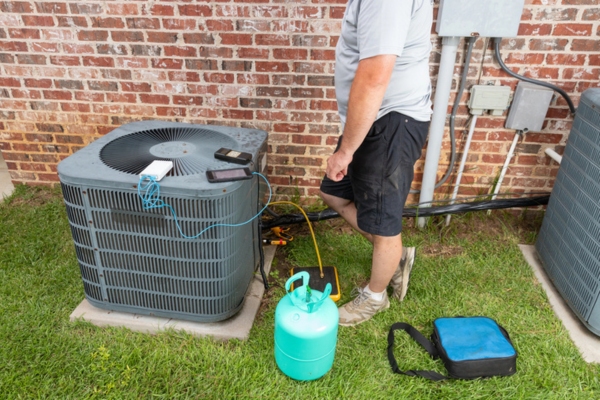
An air conditioning repair call can quickly become more expensive than expected when dishonest contractors use deceptive pricing, unnecessary repairs, or high-pressure sales tactics. Homeowners may not always recognize the warning signs until it is too late. Understanding the common tactics used in AC repair scams can help you spot questionable practices.
Read MoreBeating the Heat: Essential Steps for Handling Emergency Air Conditioner Repair

An unexpected air conditioner breakdown can quickly disrupt your comfort, especially during extreme heat. Knowing how to recognize serious warning signs, take safe initial steps, and understand what happens during emergency repairs can make the situation less stressful. Learn about common AC problems, temporary cooling strategies, and what to expect when professional help is needed.
Read MoreAir Conditioning Safety Tips for Better Cooling Performance

Keeping your cooling system running safely involves more than simply adjusting the thermostat. From electrical precautions and routine maintenance to fire prevention and indoor air quality, there are several important steps that help reduce risks while supporting reliable performance. Learn the essential air conditioning safety practices every homeowner should know to keep your home comfortable.
Read MoreOil Heating System Maintenance: Preparing for Warmer Weather
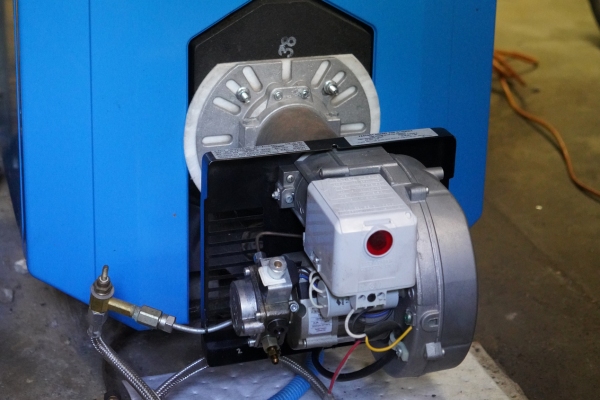
Keeping your heating equipment in good condition doesn’t end when winter does. Proper oil heating system maintenance throughout the year can help protect important components, reduce wear, and prepare your system for future heating seasons. Discover essential maintenance practices that ensure reliable performance, improve efficiency, and help prevent common issues before they require costly repairs.
Read More