Protecting Your Boiler: Why Water Quality Matters

Boiler efficiency plays a crucial role in home comfort by determining how effectively fuel is converted into usable heat. It directly affects energy expenses and environmental impact, making it essential for cost control and sustainability. Water quality has a major influence on this efficiency, shaping overall system performance and longevity.
Minerals, dissolved gases, and organic substances present in water can trigger scaling, corrosion, and foaming, which hinder boiler performance and reliability. For this reason, maintaining and monitoring proper water quality is essential to achieve peak boiler efficiency and long-term system protection. Keep reading this Lawes Company article to learn more.
Looking for Reliable Heating Experts? Reach out to Lawes Company for professional service and dependable comfort. Call today for prompt support!
Boiler Operation Essentials
Contents
- 1 Boiler Operation Essentials
- 2 Impact of Water Quality on Boiler Efficiency
- 3 Boiler Water Treatment Methods
- 4 Advantages of Maintaining Proper Boiler Water Quality
- 5 Boiler Efficiency: Frequently Asked Questions
- 5.1 What Does “Boiler Efficiency” Mean?
- 5.2 How Can I Determine if Poor Water Quality is Reducing My Boiler’s Efficiency?
- 5.3 Is It Safe to Use Regular Tap Water in Heating Units?
- 5.4 How Frequently Should Boiler Water Quality Be Tested?
- 5.5 What Happens if Water Quality in a Heating System Is Neglected Over Time?
- 6 Conclusion
- 7 Reach Out to Lawes Company for All Your HVAC Needs
Importance of Water in Heating Systems
Water plays an essential role in boiler systems, functioning as the heat transfer medium that carries energy generated from fuel combustion to heating or industrial applications. In steam boilers, the water is heated until it vaporizes, producing steam used across multiple processes.
Main Elements of a Boiler System
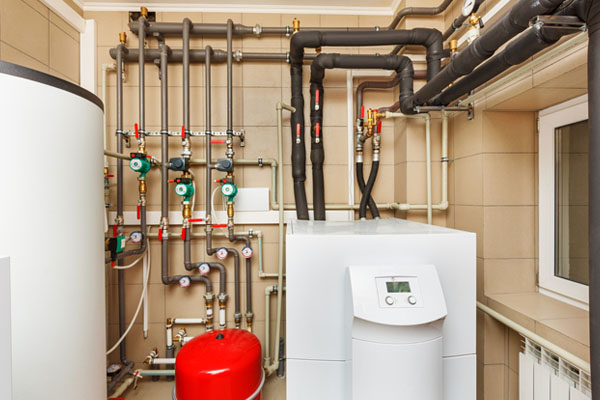
A boiler system consists of several essential components. The burner initiates fuel ignition within the combustion chamber, converting it into heat energy. This heat is transferred to water through the heat exchanger.
The system also features controls and safety mechanisms to ensure efficient and secure performance, while the flue stack expels combustion gases. Every component is critical in maintaining the boiler’s overall operation and effectiveness.
Need Professional Heating Services? Contact Lawes Company for exceptional comfort and reliable expertise. Call now for fast, friendly assistance!
Impact of Water Quality on Boiler Efficiency

Common Impurities Found in the Heating System’s Water
Water circulating in boiler systems often contains contaminants that can reduce efficiency and system longevity. These impurities include:
- Minerals: Elements like calcium and magnesium are commonly found in hard water.
- Gases: Oxygen and carbon dioxide that can enter the system and promote corrosion.
- Organic Matter: Substances introduced from external sources or through system contamination.
- Suspended Solids: Particles originating from internal deposits or external contamination.
Need Trusted Heating Experts? Turn to Lawes Company for dependable service and proven expertise. Get in touch today for professional assistance!
Boiler Scale Development and Its Effects
Scale buildup is a significant concern in boiler systems, resulting from the precipitation of minerals such as calcium and magnesium. This process causes:
- Scale Accumulation: Minerals crystallize and adhere to internal boiler surfaces.
- Decreased Heat Transfer: The insulating properties of scale reduce heat exchange efficiency.
- Risk of Tube Damage: Excessive scale can obstruct tubes, leading to overheating and structural failure.
Heating System Corrosion and Its Negative Consequences
Corrosion poses a significant challenge in boiler systems, often resulting from factors such as oxygen infiltration and improper water pH levels. It gradually weakens internal components, compromising both efficiency and operational safety.
Over time, corrosion-related damage can significantly reduce boiler performance, making timely detection and treatment essential for maintaining a reliable and efficient system operation.
Foaming, Priming, and Carryover Issues
Although less common, elevated impurity levels in boiler water can lead to problems that harm efficiency and performance. These conditions often degrade steam quality, lowering overall system output.
Furthermore, occurrences such as foaming and carryover may cause damage to downstream equipment, increasing maintenance needs and creating additional operational difficulties.
Want Reliable Warmth All Season Long? Rely on Lawes Company for professional heating services and dependable comfort. Call today for expert care and lasting solutions!
Boiler Water Treatment Methods
Pre-Treatment Techniques
Proper water treatment is vital for maintaining boiler performance, and pre-treatment methods are an important part of this process.
- Filtration Systems: These systems remove particulate matter and suspended solids from the water supply to prevent blockages and buildup.
- Water Softeners and Ion Exchange Units: These units reduce water hardness by eliminating minerals such as calcium and magnesium that contribute to scaling.
- Deaeration and Oxygen Scavengers: These methods remove dissolved gases, particularly oxygen, which can lead to corrosion inside the boiler.
- pH Regulators and Alkalinity Builders: These solutions help maintain proper pH balance and alkalinity levels in the water, protecting the system from corrosion and scale formation.
Internal Water Treatment Approaches
Internal treatment methods are applied directly within the boiler system to safeguard it from damage and maintain efficiency.
- Scale Inhibitors: These chemicals prevent minerals from crystallizing and forming scale on boiler surfaces.
- Corrosion Inhibitors: These agents create a protective layer on metal surfaces, minimizing corrosion and extending equipment life.
- Antifoaming Agents: These additives control and reduce foam formation, helping to preserve steam quality and operational efficiency.
- Dispersants: These substances keep suspended solids evenly distributed in the water, preventing the buildup of deposits inside the boiler.
In Need of Trusted Heating Professionals? Count on Lawes Company for reliable, year-round heating solutions. Contact us today for expert service!
Continuous Monitoring and Automated Control Systems
Ongoing monitoring and regulation of water quality are vital for ensuring the long-term efficiency, reliability, and safety of boiler systems.
- Importance of Regular Monitoring: Consistent observation enables the early identification and correction of water quality issues before they impact performance.
- Technological Advancements in Boiler Water Quality Management: Modern innovations enable precise, automated control of water conditions, improving system management and operational efficiency. These technologies help maintain ideal water parameters, ultimately boosting boiler performance and extending equipment lifespan.
Advantages of Maintaining Proper Boiler Water Quality

Ensuring high water quality within boiler systems provides multiple benefits that enhance performance and operational safety.
Improved Heating Efficiency and Cost Reduction
Maintaining clean, treated water increases boiler efficiency, reducing energy usage and overall expenses. This improvement occurs by preventing problems such as scale buildup and corrosion, which hinder effective heat transfer and reduce system performance.
Looking for Experienced Heating Specialists? Lawes Company delivers top-quality heating solutions designed for lasting comfort and reliability. Call today to schedule expert service!
Prolonged HVAC Equipment Lifespan
Maintaining clean water minimizes the likelihood of scale accumulation and corrosion, which helps extend the life of boiler components. This leads to fewer part replacements and repairs, ensuring the system remains durable and reliable over time.
Lower Heating Unit Maintenance Costs and Downtime
When water quality issues are controlled, boilers need less frequent maintenance and experience fewer malfunctions. This results in reduced maintenance expenses and less disruption caused by unexpected system shutdowns.
Enhanced Operational Safety
Effective water treatment and control greatly improve the safety of boiler operations. By preventing conditions that may cause leaks, pressure buildup, or explosions, maintaining proper water quality ensures a secure and stable environment in both residential and industrial applications.
Boiler Efficiency: Frequently Asked Questions
What Does “Boiler Efficiency” Mean?
Boiler efficiency refers to how effectively a boiler converts the energy contained in its fuel into usable heat output. It is generally represented as a percentage indicating the proportion of fuel energy successfully converted into heat for use.
How Can I Determine if Poor Water Quality is Reducing My Boiler’s Efficiency?
Signs that water quality is compromising boiler efficiency include lower heat production, higher fuel usage, and unusual sounds or performance issues. These warning indicators often indicate internal problems, such as scale buildup, corrosion, or other water-related damage within the system.
Is It Safe to Use Regular Tap Water in Heating Units?
Tap water can be used in boilers. However, it is often unsuitable because it may contain minerals and chemical additives. These impurities can cause scale formation and corrosion, which decrease boiler efficiency and shorten the system’s operational life.
Searching for Reliable Heating Solutions? Lawes Company provides expert services to keep your home comfortable year-round. Contact us today for exceptional care and dependable results!
How Frequently Should Boiler Water Quality Be Tested?
Water quality in boiler systems should be tested regularly, preferably once a year. Routine testing allows for early detection of water-related issues, helping to prevent efficiency loss, corrosion, and other performance problems before they become serious.
What Happens if Water Quality in a Heating System Is Neglected Over Time?
Ignoring the quality of water in a boiler system can gradually reduce efficiency, increase maintenance and repair expenses, and significantly shorten the unit’s lifespan. Poor water conditions may also create serious safety risks, including leaks, pressure issues, or potential system failures.
Conclusion
The importance of water quality in maintaining boiler efficiency is undeniable. Keeping water conditions within ideal parameters is crucial for sustaining peak performance, extending system lifespan, and promoting safe operation. Consistent maintenance, proactive monitoring, and the use of proper water treatment solutions are essential for achieving these goals.
By prioritizing these practices, homeowners and facility managers can protect their boiler systems, enhance efficiency, and minimize costly breakdowns, ultimately resulting in long-term reliability and economic benefits.
Looking for Professional Heating Solutions? Contact Lawes Company for exceptional service and lasting comfort. Call now for prompt, reliable assistance!
Reach Out to Lawes Company for All Your HVAC Needs
Lawes Company is a trusted leader in HVAC services throughout the Jersey Shore area. Our certified technicians specialize in HVAC tune-ups, repairs, installations, and replacements, ensuring your system operates efficiently and reliably. You can count on our team’s expertise and commitment to delivering precise, dependable service tailored to your home’s comfort requirements.
We offer competitive pricing designed to enhance comfort, increase energy efficiency, and help reduce heating and cooling expenses. Whether you need a system repair or a complete replacement, our experts will recommend the most effective options that fit your budget, all supported by our satisfaction guarantee.
Contact Lawes Company today to schedule your in-home consultation and discover the difference expert service makes. Call now!
Contact us now at (732) 741-6300 to find out more! Click the link to view our service area.

Related Articles: