What Deep Snow Means For Whole-House Generator Performance
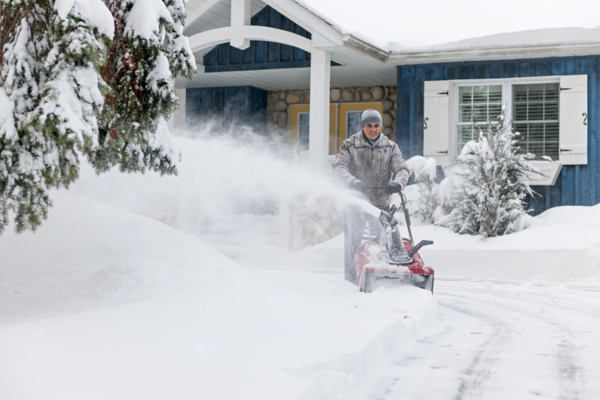
During a powerful winter storm, the power can fail across your neighborhood, and even though your whole-house generator is designed to keep systems operating, heavy snowfall can interfere. As snow accumulates around the unit, efficiency may decline, and a generator in snow can struggle or shut down at the most critical time.
Homeowners across the Jersey Shore trust Lawes Company for reliable whole-house generator installation and ongoing service. Our certified technicians prepare each standby system to perform reliably, even when winter weather turns severe.
This article explores how heavy snow can impact a whole-house generator, explains the reasons these problems develop, and outlines practical steps you can take to safeguard your system during intense winter storms.
Stay Ready No Matter the Forecast: Lawes Company provides expert generator installation to help keep your home safe, powered, and comfortable through any conditions. Reach out to us today.
How Cold Weather and Snow Affect Generator Performance
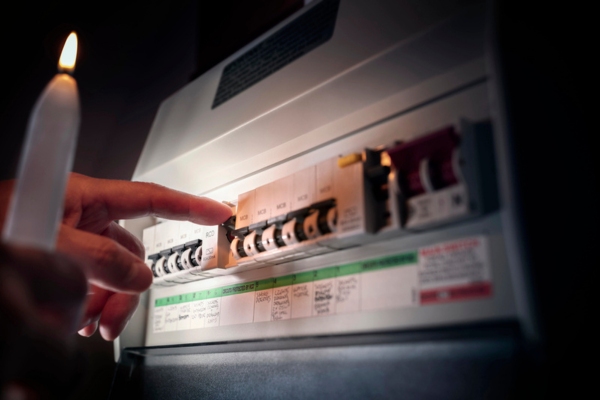
Severe winter conditions place added strain on standby generators, particularly when snow and ice build up around the equipment. These can restrict ventilation, disrupt fuel flow, and reduce operating efficiency, which is why understanding the effects of deep snow is essential for maintaining reliable generator performance.
Keep Your Backup Power Ready All Winter: Lawes Company helps maintain clear, secure generator operation with professional seasonal care. Contact our team today to stay prepared.
Limited Air Circulation Around Whole-House Generators
When heavy snow builds up around a generator, airflow is often the first system to be affected. Compacted snow against the unit’s sides can obstruct intake openings, reducing the fresh air supply the engine requires and leading to overheating or lower efficiency.
Snow accumulating over or pressing near the exhaust outlet makes it harder for the generator to expel hot gases, placing additional stress on the engine, and can activate automatic safety shutdowns. Lacking consistent airflow and proper ventilation, the generator struggles to maintain safe operating temperatures, resulting in shorter run times and reduced dependability during severe winter weather.
Carbon Monoxide Accumulation Hazards

Heavy snowfall can introduce serious safety risks by preventing generator exhaust from dispersing properly into the surrounding air. Snow banks located too close to the unit can trap fumes, limiting ventilation and increasing the risk that carbon monoxide collects near the generator. In more extreme cases, these gases can migrate toward nearby vents or windows, creating potential hazards inside the home.
Many newer generators are equipped with built-in safety sensors that monitor exhaust pressure levels. When restricted airflow or gas buildup is detected, the system may shut itself down automatically to avoid dangerous backflow or unsafe operating conditions.
Safeguard Your Home With Trusted Generator Service: Lawes Company helps keep standby systems prepared when outages hit. Book your appointment today!
Impact of Ice and Snow Weight on Generators
Dense ice and heavy snow accumulation can add stress to a generator by increasing the weight on the enclosure and freezing essential components. Ice buildup along the exterior may lock controls in place or block access panels and covers, making inspections or routine service difficult.
Significant accumulation can also disrupt sensors responsible for monitoring temperature and safety operations, resulting in faulty readings or delayed system responses. As ice and snow melt, moisture may enter small gaps, causing water damage that accelerates corrosion and leads to early deterioration of internal generator components.
Fuel Supply Challenges During Winter in the Jersey Shore Area
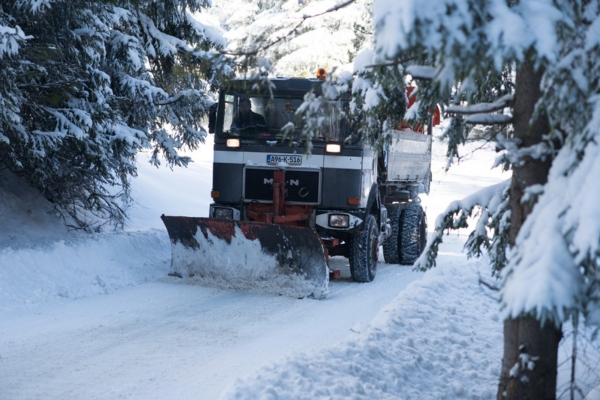
Heavy snowfall can disrupt the consistent fuel flow a generator requires for proper operation, particularly during extended power outages. Ice or snow buildup may restrict access to propane lines, limiting fuel movement or preventing technicians from reaching critical connection points.
Severe cold can also lower pressure within propane systems, which may affect engine output or cause the generator to perform poorly when demand increases. When snow accumulates around fuel tanks or blocks delivery routes, emergency service and refueling become harder to complete, raising the risk of power loss when dependable fuel access is most important.
Keep Power Flowing All Winter Long: Lawes Company provides expert generator maintenance designed to reduce the risk of cold-weather shutdowns. Call today to stay prepared.
Access Limitations for Standby Generator Upkeep
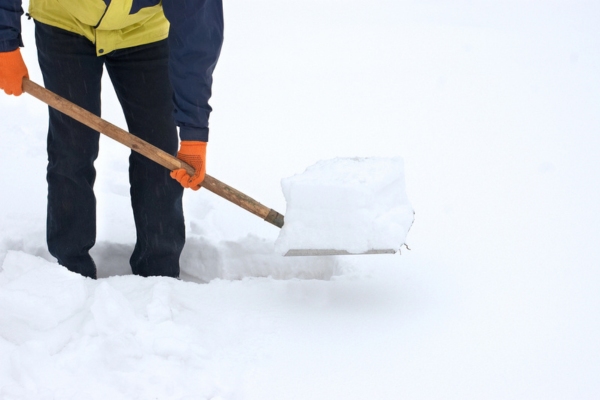
Heavy snow accumulation can make routine inspections and upkeep more difficult, reducing the reliability of your generator during harsh winter weather. When visibility around the unit is limited, problems such as minor leaks, unsecured panels, or worn components can be missed until they escalate into larger concerns.
Snowdrifts that block walkways or surround the unit may prevent technicians from reaching the generator for timely repairs or scheduled service, leading to unwanted delays. In addition, snow buildup can obscure status lights or control panel alerts, increasing the chance that warning signals tied to performance or safety issues go unnoticed.
Enjoy Reliable Power Without the Stress: Lawes Company keeps your generator performing at its best through expert maintenance and dependable service. Call now to get started.
Ways to Shield Your Standby Generator From Heavy Snow
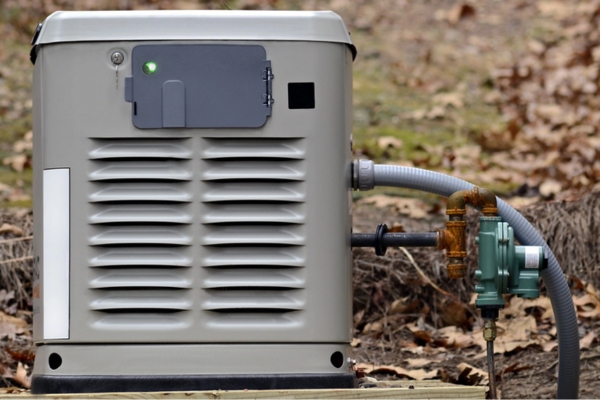
Heavy snowfall can affect efficiency, ventilation, and safety, making preventive planning essential to keeping your generator reliable during winter storms. These actions ease system stress, preserve proper airflow, and support consistent fuel delivery when power outages happen.
- Remove Snow Regularly: Carefully clear snow from the top and sides of the unit to avoid accumulation that restricts airflow or adds weight. Maintain a minimum of three feet of open space around the generator so intake and exhaust vents stay unobstructed during storms.
- Create a Solid Base Area: Install gravel, pavers, or similar firm materials around the foundation to stop snow from compacting tightly against the unit. A solid base supports drainage, reduces moisture exposure, and simplifies snow removal after major snowfall.
- Add a Generator Cover System: Select a cover built specifically for standby generators to shield the unit from heavy snow and ice while allowing proper ventilation. These covers reduce ice formation, deflect blowing snow, and help keep vents clear.
- Plan Cold-Weather Service: Schedule a winter service visit to confirm the generator starts dependably and manages the added demands of cold temperatures. Technicians can inspect components, replace filters, and verify that sensors and controls operate as intended.
- Verify Fuel Supply Ahead of Time: Make sure fuel tanks are filled before severe storms arrive so the generator maintains a reliable supply during outages. This prevents pressure loss, fuel interruptions, and challenging emergency refills in extreme winter conditions.
Don’t Let Snow Buildup Disrupt Your Backup Power: Lawes Company provides inspections, repairs, and tune-ups to keep your generator running dependably. Schedule service now!
Steps to Take When Your Generator Is Buried by Snow

If heavy snow has covered your generator, begin by shutting off power to the unit before taking any action to prevent engine strain or accidental damage during removal. Slowly clear snow from all sides, making sure to uncover vents, the top enclosure, and the area around the exhaust outlet to restore proper airflow. Examine the generator for ice accumulation, bent panels, loose connections, or moisture entry beneath the snow.
After the unit is fully cleared and at least three feet of open space surrounds it, restart the generator only after verifying ventilation is clear and all components appear intact. If the generator does not start, displays alerts, or produces unusual sounds, contact a qualified technician to evaluate the system and avoid additional damage.
When Winter Brings Severe Conditions, Stay Ready: Lawes Company keeps your generator performing at its best with dependable cold-weather maintenance and support. Contact us today!
FAQs About Generator in Snow

Will a Whole-House Generator Turn Itself Off During Heavy Snowfall?
Yes. Many modern standby generators are designed with safety sensors that automatically shut the unit down if airflow becomes restricted or internal temperatures exceed safe operating ranges. When deep snow obstructs intake vents or covers the exhaust outlet, the engine cannot cool effectively, which can prompt a protective shutdown. In addition, advanced systems monitor exhaust pressure changes caused by snow accumulation and stop operation to reduce the risk of carbon monoxide buildup or mechanical damage.
How Much Space Is Needed Around a Standby Generator?
At least three feet of unobstructed space on every side is advised, with additional clearance helpful during severe winter weather. This spacing supports proper airflow, stops snow from compacting against the unit, and allows exhaust gases to disperse safely. Maintaining open space also provides technicians with access for service and lowers the chance of ice developing around panels, vents, and electrical connections.
Is It Safe to Use a Temporary Cover to Protect a Generator From Snow?
No. Homemade coverings can restrict airflow or trap excessive heat around the unit.
Only use shelters specifically engineered for standby generators. Manufacturer-approved enclosures are designed to maintain proper ventilation while protecting the system from snow, ice, and debris. Temporary solutions such as tarps, plastic sheets, or wooden structures can block airflow, increase fire risk, trap moisture, or allow exhaust gases to build up near the home.
Power Your Home With Confidence: Lawes Company delivers dependable generator installation, repair, and maintenance services designed for lasting reliability. Get in touch today to schedule service.
Will a Whole-House Generator Start Properly in Freezing Weather?
Most newer standby generators are built to handle cold starts, though heavy snow can still interfere with proper operation. Cold-start features allow the engine to ignite in low temperatures, but blocked airflow, frozen parts, clogged vents, or snow-covered exhaust outlets can prevent normal function. Consistent winter maintenance and keeping the area around the unit clear help support dependable performance during extreme cold.
Should I Operate My Generator During a Snowstorm or Wait Until It Passes?
Run the generator when power is needed, but keep the surrounding area clear so the unit can draw air and safely release exhaust. Standby generators are engineered to function in harsh weather, yet snow buildup during a storm can quickly obstruct vents or cover the exhaust outlet. Checking the unit periodically and removing snow as needed helps maintain safe, efficient performance throughout the storm.
Conclusion
Heavy snowfall can interfere with a whole-house generator by limiting airflow, trapping exhaust gases, placing strain on mechanical parts, interrupting fuel delivery, and restricting maintenance access, which can lower efficiency and raise the likelihood of shutdowns during winter storms.
Maintaining clear space around the unit, monitoring snow accumulation, and scheduling seasonal service visits support safe, dependable generator operation throughout the coldest part of the year.
Dependable Protection and Reliable Power: Lawes Company helps keep your standby generator operating efficiently year-round with professional care. Contact us today for expert service.
Call Lawes Company for Dependable Backup Generator Installation
Lawes Company proudly supports homeowners throughout the Jersey Shore area with trusted whole-house generator installation solutions built to keep your home powered during outages. Our certified technicians offer proven expertise and careful attention to detail, ensuring each installation is completed safely, efficiently, and in full alignment with manufacturer requirements.
Whether you are preparing for winter storms, enhancing your home’s backup power capabilities, or installing a generator for the first time, our team is ready to guide you through every step and recommend the ideal system for your needs. We emphasize straightforward pricing, open communication, and skilled workmanship so you can feel confident in your investment.
By choosing Lawes Company, you gain reliable service from experienced professionals who prioritize your comfort and safety. Contact us today to schedule a consultation and take the next step toward dependable whole-house backup power. Call now!
Click here to explore our service area and start your journey to uninterrupted power today.
Contact us now at (732) 741-6300 to find out more!

Related Articles:
- Storm Preparedness: How Standby Generators Keep Your Home Safe
- 10 Reasons Every Home Should Have a Backup Generator
- Prevent Generator Failure With These Key Maintenance Tips
- How To Choose The Properly Sized Standby Generator For Your Home
- Maximize Performance with These Key Whole-House Generator Safety Tips