Furnace Sizing Explained: Why The Right Fit Matters
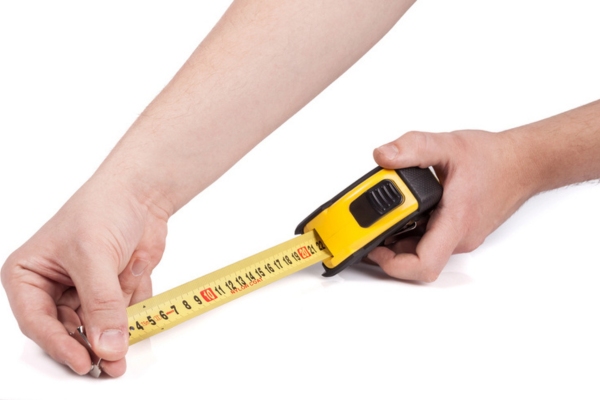
Large furnaces may seem appealing, but bigger is not always better. An oversized unit often short cycles, switching on and off too frequently, which wastes energy and increases system wear. Rather than choosing the largest option, selecting a furnace sized to your home’s needs delivers steady comfort, improved efficiency, and a longer equipment lifespan.
Selecting a furnace requires more than choosing a unit. Your home’s size, insulation, and heating demands must be carefully evaluated. An experienced HVAC professional ensures proper sizing and system compatibility, helping prevent performance issues while improving comfort and efficiency.
In this article, Lawes Company explains why correct furnace sizing is essential for dependable performance.
Elevate Your Home Heating: Stay cozy all season with efficient, reliable heating options built for comfort. Contact us today to get started.
Why Proper Furnace Sizing Matters
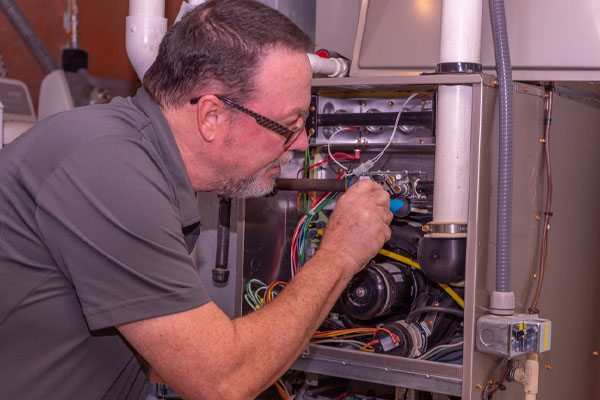
Many homeowners choose a furnace using the wrong criteria, which often leads to poor results. Without proper guidance, systems are frequently sized too large or too small, causing discomfort, inefficiency, and higher costs. The farther the system size is from what the home requires, the more noticeable the problems become. Even minor sizing mistakes can lead to ongoing comfort issues and increased energy bills.
Selecting the correct furnace size from the beginning helps ensure reliable, stress-free heating for years to come. Continue reading to explore the problems caused by improper sizing and gain practical tips for choosing the ideal furnace for your home.
Schedule A Heating Consultation with Experts: Eliminate uncertainty and protect your comfort. Contact us today to schedule a free consultation and confirm your furnace is the right fit for your home.
Problems with Furnaces That Are Too Small or Too Large
Choosing the wrong furnace size can create comfort and performance issues throughout your home.
1. Home Comfort

A furnace that is too small lacks the power to properly heat your home, especially during the coldest winter days. Even when running nonstop, it may struggle to reach your set temperature, forcing you to rely on extra layers to stay warm. This constant operation still fails to deliver consistent comfort and often results in higher energy costs and ongoing frustration.
An oversized furnace causes a different set of problems. It heats some areas too quickly, triggering the thermostat to shut the system off before the rest of the home warms up. This leads to uneven temperatures, with some rooms feeling cold while others are overly warm. The result is ongoing discomfort and wasted energy, as the system runs inefficiently and fails to heat the home evenly.
Book a Professional Heating Consultation: Boost comfort and reduce energy waste. Call today to schedule a free consultation and see how the right furnace size can help you save.
2. Furnace Efficiency
Energy use increases most when a furnace starts and stops. Reducing these cycles improves efficiency. Once the system reaches steady operation and maintains a consistent temperature, it runs at its most efficient level with fewer interruptions.
As noted earlier, oversized furnaces are prone to short cycling, meaning they start and stop too frequently. This rapid cycling uses more energy because the system rarely runs long enough to reach its most efficient operating state.
Undersized furnaces often run nonstop as they struggle to heat the home, placing excessive strain on system components. Since heating systems already account for a large share of household energy use in the U.S., improper sizing further drives up energy consumption, raises costs, and adds unnecessary environmental impact.
3. Energy Costs
Higher energy use always leads to higher monthly bills, regardless of whether your furnace runs on natural gas, propane, or heating oil. A furnace that is too large or too small wastes fuel, driving up costs and potentially adding thousands of dollars to your annual expenses. Despite the added spending, comfort still suffers, with uneven temperatures throughout the home.
Prevent unnecessary energy waste and rising bills by choosing the correct furnace size. Working with a professional ensures accurate sizing and helps keep heating costs under control.
Expert Heating Solutions: Protect your comfort and efficiency this winter. Contact us to schedule a free consultation and get heating advice tailored to your home.
HVAC Lifespan
Short cycling affects more than comfort and efficiency; it significantly reduces furnace longevity. Frequent starts and stops accelerate component wear, leading to early failures. Instead of lasting 20 years or more, a poorly sized system may need replacement in 10 years or less. Undersized furnaces face similar risks by running continuously and overworking critical parts.
Replacing a furnace too early can mean thousands of dollars in unexpected costs for a new system and installation. Because this is a major investment, getting it right from the start is essential. A professional evaluation ensures your furnace is properly sized, with experienced HVAC technicians guiding you toward the best option to save money and prevent future issues.
How Proper Furnace Size Is Determined

Accurate sizing starts with a detailed evaluation of how your home gains and loses heat.
1. Load Calculation
Every home has different heating needs, depending on factors such as square footage, layout, insulation, window quality, siding, and orientation. Manually calculating this load is complex and time consuming, so professionals rely on advanced software to analyze these details and deliver accurate sizing results efficiently.
Some contractors still use outdated rules of thumb, which can result in poor sizing and inefficient performance. Hiring HVAC professionals who use modern tools and precise load calculations ensures your furnace is correctly matched to your home. This accuracy delivers reliable heating and added peace of mind when it is time to replace your system.
Upgrade Your Home Heating: Experience comfort without compromise with Lawes Company. Contact us to discover modern heating options that elevate your living space. Call now!
2. BTUs
If you are unsure about replacing your furnace and want a general idea before speaking with a professional, start with two basic factors: your home’s square footage and your region’s heating factor. Multiplying these values provides a rough estimate of the furnace size your home may need.
Heating requirements depend heavily on the local climate. Areas closer to the equator need far less heating, while regions farther north face colder temperatures that place greater demand on heating systems.
For example, California typically requires about 30 to 35 BTUs per square foot, while colder states like Minnesota may need 50 to 60 BTUs per square foot. Knowing your local heating factor helps you make a more informed decision before replacing your furnace.
3. Insulation
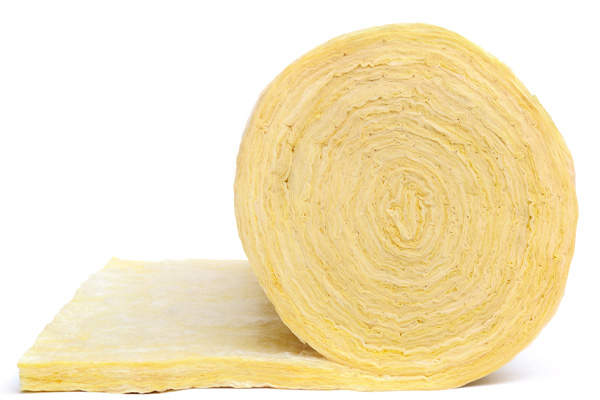
Although you cannot change the local climate, you can improve your home’s insulation. Quality insulation limits heat loss, reduces the impact of outdoor temperatures, and eases the workload on your furnace. Prioritize attics, ceilings, floors, and exterior walls, along with basements or crawlspaces, and seal gaps around doors and windows to stop drafts.
With strong insulation, your home may need a furnace with a lower BTU rating than expected. For example, a 1,000-square-foot home in Minnesota might typically require a 60,000 BTU furnace, but reducing heat loss through insulation can lower the heating load, allowing a smaller unit to maintain comfort. This approach reduces energy use and lowers upfront equipment costs.
Upgrade Your Home Heating: Get the comfort you want. Call Lawes Company today to explore heating solutions designed for your home.
Furnace Sizing FAQs

How Long Does a Furnace Typically Last Before Replacement?
Most furnaces last between 15 and 20 years, depending on system quality, maintenance habits, and usage frequency. Routine care, such as regular filter changes and annual professional tune-ups, can extend service life. If your furnace is nearing this age range, planning ahead for replacement can help you avoid unexpected breakdowns and costly emergency repairs.
What Are the Signs You May Need to Replace Your Furnace?
Common indicators include frequent or expensive repairs, difficulty maintaining comfortable temperatures, unusual noises such as clanging or screeching, and uneven heating throughout the home. Rising energy bills without increased usage often signal declining efficiency. Furnaces over 15 years old may also lack the performance and cost savings offered by newer, more efficient models.
Is It More Cost-Effective to Repair or Replace an Older Furnace?
The decision depends on your furnace’s age and repair expenses. If repair costs approach or exceed 50 percent of the cost of a new system, replacement is usually the smarter choice. When a furnace is 15 to 20 years old, upgrading to a newer, energy-efficient model can lower energy bills and reduce ongoing repair costs over time.
Warm Up to Better Comfort: Beat the cold with heating solutions designed for lasting comfort and efficiency. Call today to experience the difference.
Does Upgrading Your Furnace Help Improve Indoor Air Quality?
Yes, a newer furnace can greatly enhance indoor air quality. Modern systems include advanced filtration and ventilation features that capture dust, allergens, and airborne pollutants more effectively than older equipment. Improved airflow also reduces stagnant air and promotes better circulation. When paired with high-efficiency filters or air purifiers, an upgraded furnace supports a cleaner, healthier home environment.
What Factors Matter Most When Choosing a New Furnace?
When selecting a new furnace, focus first on energy efficiency by checking the AFUE rating, as higher ratings deliver better fuel performance. Choose a fuel type that fits your home and budget, whether gas, oil, propane, or electric. Confirm that the system works with your existing ductwork and layout, and look for features such as variable-speed blowers for improved comfort and efficiency. Options like smart thermostats and zoning can further enhance control, convenience, and energy savings.
Conclusion
Furnace selection comes down to proper fit. Instead of choosing the largest unit available, select a system sized specifically for your home. Having a qualified HVAC professional perform detailed load calculations ensures accurate sizing. The result is consistent comfort, improved energy efficiency, lower heating costs, and a longer-lasting furnace.
Expert Heating Solutions for Lasting Comfort: Trust Lawes Company to keep your HVAC system running at its best. Contact us today!
Call Lawes Company for Complete HVAC Services
Lawes Company provides reliable heating and cooling solutions throughout the Jersey Shore area. Our professionally certified technicians handle HVAC tune-ups, repairs, installations, replacements, and more, delivering knowledgeable service you can trust.
We offer competitive pricing and maintenance options that enhance comfort, improve energy efficiency, and help reduce heating and cooling costs. If you need a repair or a system upgrade, our team will recommend the right solution for your home and budget.
All work is backed by a satisfaction guarantee. Contact Lawes Company today to schedule service and take advantage of a free in-home consultation.
Contact Lawes Company today to schedule your in-home consultation and discover the difference expert service makes. Call now!
Contact us now at (732) 741-6300 to find out more! Click the link to view our service area.

Related Articles: