Getting Your Oil Heating Radiator Ready for Cold Weather
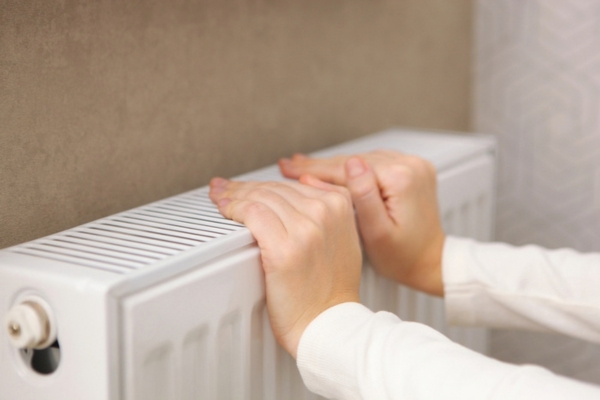
Preparing your oil heating radiator for winter helps ensure consistent heat, reliable system performance, and fewer heating problems when temperatures drop. Radiators are a key part of hydronic oil heating systems, transferring heat from circulating hot water into living spaces throughout the home.
Before the cold season arrives, proper inspection and maintenance can help identify issues that may affect radiator performance. This article covers how oil heating radiators work, common problems to watch for, and essential steps for getting them ready for winter.
How Radiators Work in Hydronic Heating Systems
Hydronic radiators have provided dependable indoor heating since the late 19th century. They receive heated water from a boiler and transfer that heat into the surrounding room, creating steady, consistent comfort. Radiator systems can operate efficiently, support lower carbon emissions, and provide cost-effective heating over the long term.
Winter Preparation: Getting Your Heating Radiator Ready for Cold Weather
Keeping your home warm and comfortable throughout winter depends on a reliable hydronic heating system. Preparing your radiators before temperatures drop helps ensure they can distribute heat efficiently and consistently when your home needs it most.
How Radiators Operate in a Hydronic Heating System
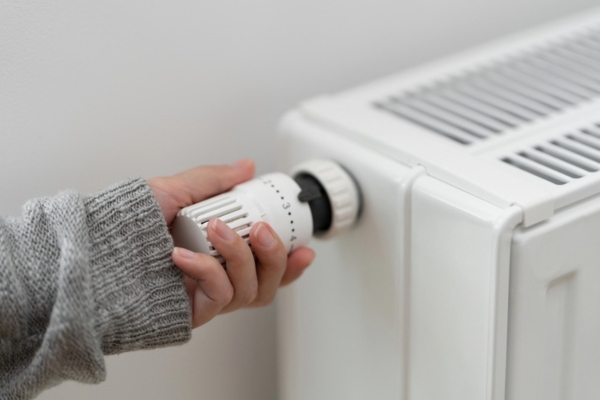
Hydronic heating systems are known for efficient operation and their ability to distribute steady, even warmth throughout a home. Radiators serve an essential role by transferring heat from the system’s heated water into the surrounding indoor space.
Understanding how this heat-transfer process works helps homeowners better understand how hydronic systems maintain efficiency and reliable comfort in colder weather. The following explains how radiators function as part of the heating cycle:
How the Boiler Supports Hydronic Heating
The heating cycle begins at the boiler, which raises the water to the required temperature. As the system’s primary heat source, the boiler prepares the heated water for distribution throughout the home’s piping network.
Moving Heated Water Through the System
After reaching the appropriate temperature, the heated water travels through pipes leading to radiators in different rooms or heating zones. A circulator pump typically moves the water through this network, maintaining the steady flow needed to deliver heat throughout the system.
Distributing Heat Through Radiators
Radiators are positioned throughout the home to promote consistent heat distribution across different rooms. As heated water enters each radiator, thermal energy transfers to its metal surface and then into the surrounding space. Heat is primarily released through a combination of radiation and convection.
How Radiation and Convection Provide Warmth
Radiant heat travels outward from the radiator, directly warming nearby people and surfaces. At the same time, convection warms the surrounding air, causing it to rise and circulate as cooler air moves toward the radiator. Together, these heat-transfer methods create steady, evenly distributed warmth throughout the room.
Returning Cooled Water to the Boiler
Once the water transfers its heat through the radiators, it cools and travels back to the boiler through return piping. The boiler reheats the water before sending it through the system again, creating a continuous circulation cycle that maintains consistent indoor warmth.
Managing Heat With Thermostatic Controls
Modern hydronic systems use thermostatic controls to regulate indoor temperatures according to comfort settings. Depending on the system design, thermostats control when heat is supplied to specific zones or signal the heating equipment to operate, helping maintain comfort while supporting efficient energy use.
Improving Efficiency With Heating Zones
Hydronic heating systems can use zoning to maintain different temperature settings across individual rooms or areas of the home. This provides greater control over indoor comfort while improving energy efficiency by directing heat only where and when it is needed.
Understanding how radiators work within a hydronic heating system can help homeowners get the most from their heating equipment. With proper radiator care and professional system maintenance, hydronic heating can provide dependable warmth, efficient performance, and consistent comfort throughout the winter.
Signs Your Radiator May Need Professional Attention

Recognizing changes in radiator performance can help homeowners address heating problems before they worsen. Common warning signs include:
- Cold or Uneven Areas: Sections that remain cool may indicate restricted water circulation, sediment accumulation, or another system issue.
- Visible Leaks or Corrosion: Water around the radiator or noticeable rust should be evaluated promptly to prevent further damage.
- Persistent Unusual Sounds: Gurgling, banging, or other abnormal noises can point to trapped air, circulation problems, or system malfunctions.
- Recurring Trapped Air: Radiators that repeatedly require bleeding may signal a pressure problem, leak, or another issue that requires professional inspection.
Why Radiators Are Essential to Hydronic Heating
Radiators are critical to hydronic heating because they transfer the heat produced by the boiler into the home. When a radiator develops a problem, heat transfer and circulation can become less effective, resulting in uneven temperatures, reduced comfort, and inefficient system performance during cold weather.
Why Winter Heating System in NJ Preparation Matters
Preparing your hydronic heating system before winter helps support dependable operation, efficient performance, and consistent indoor comfort when temperatures fall. Key reasons winter readiness matters include:
- Reduced Risk of Inefficiency and Breakdowns: A poorly maintained radiator can distribute heat unevenly, forcing the heating system to operate longer to maintain the desired temperature. This can increase energy use, raise heating costs, and contribute to unexpected equipment problems during winter.
- Protection Against Potential Damage: Leaks, corrosion, or other radiator problems can worsen if left unresolved. Escaping water may damage surrounding materials and encourage mold growth, making prompt professional attention important.
- Consistent Indoor Comfort: A properly functioning radiator distributes warmth effectively throughout the room, helping the hydronic system maintain comfortable and reliable indoor temperatures during cold weather.
How to Prepare Your Radiator for Winter in the Jersey Shore area
Preparing your radiator before cold weather arrives can help maintain efficient heating, reliable operation, and consistent comfort throughout winter. Important preparation steps include:
- Schedule a Professional Inspection: Have a professional check the radiator and hydronic system for leaks, corrosion, wear, or other damage. A qualified HVAC technician can also inspect valves, vents, connections, and related components for proper operation.
- Keep the Radiator Clean and Unobstructed: Dust, debris, furniture, and other obstructions can interfere with effective heat transfer and airflow. Keeping the surrounding area clear helps the radiator distribute warmth efficiently.
- Have System Water Conditions Checked: Proper water quality, pressure, and system condition are important for dependable hydronic heating. A professional can evaluate these factors and identify conditions that could contribute to corrosion, buildup, or inefficient operation.
- Maintain Adequate Airflow around the Radiator: Avoid blocking the radiator with furniture, curtains, or other household items. Sufficient clearance allows warm air to circulate throughout the room for more even heating.
- Arrange Routine Professional Maintenance: Regular hydronic heating service can identify developing issues before they cause breakdowns. Preventive maintenance also supports system efficiency, dependable winter performance, and longer equipment life.
FAQs About Oil Heating Radiator

How Can I Get My Hydronic Radiators Ready for Winter?
Start by keeping radiators clean and unobstructed, and watch for visible leaks, corrosion, unusual noises, or uneven heating. Professional preseason maintenance should include inspecting the radiators and related components, evaluating system pressure and water condition, and correcting developing issues before colder weather increases heating demand.
When Should I Call a Professional for an Oil Heating Radiator?
Contact a professional if your radiator develops persistent gurgling or banging noises, uneven or cold sections, recurring trapped air, visible leaks, or corrosion. These symptoms can indicate circulation, pressure, or other system problems that require a qualified technician to diagnose and correct.
Why Should I Keep the Area Around My Radiator Clear?
Keeping radiators clean and unobstructed supports effective heat transfer and air circulation. Dust buildup, furniture, curtains, and other obstructions can restrict heat distribution, reducing heating performance and potentially increasing energy use.
How Does Hydronic Heating Zoning Improve Home Comfort?
Zoning allows separate areas of the home to maintain different temperature settings based on heating needs and preferences. This provides greater control over indoor comfort while improving efficiency by directing heat where it is needed rather than heating every area equally.
How Do Thermostatic Controls Improve Hydronic Heating Efficiency?
Thermostatic controls help maintain desired indoor temperatures by regulating when the heating system or individual zones call for heat. This reduces unnecessary heating, prevents rooms from becoming excessively warm, and supports efficient energy use while maintaining consistent comfort.
Conclusion
Preparing your radiator and hydronic heating system before winter helps support reliable comfort, efficient operation, and protection against unexpected heating problems. Keeping radiators clean and unobstructed while addressing leaks, corrosion, unusual noises, and uneven heating can help prevent minor concerns from developing into larger issues. Professional pre-season maintenance also lets technicians inspect and prepare the entire system for increased winter demand.
Schedule professional hydronic heating maintenance before cold weather arrives to help keep your home warm and your system operating dependably throughout the season.
Contact Lawes Company for Trusted Heating Oil Delivery Services
Lawes Company provides dependable, high-quality heating oil delivery to homes and businesses throughout the Jersey Shore area. With timely service, competitive pricing, and straightforward communication, we help customers stay warm and comfortable throughout the heating season.
On top of heating oil delivery, Lawes Company also offers comprehensive HVAC services, providing a convenient source for year-round home comfort needs.
With reliable service and a strong dedication to customer satisfaction, Lawes Company is a trusted local provider. Contact us today to learn more, schedule service, or arrange an in-home consultation.
Be sure to ask about our different heating oil plans and financing options. By working with us, you can customize your fuel deliveries to meet your needs. Contact Lawes Company today to ask for more information or request service.
Contact us now at (732) 741-6300 to find out more! Click the link to view our service area.

Related Articles: