What To Do When Your AC Unit Freezes Up To Prevent Costly Damage
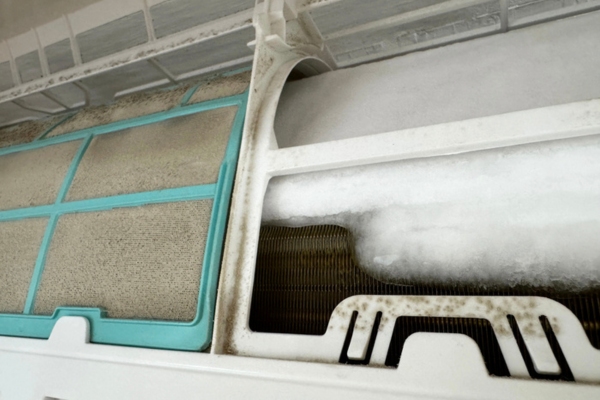
A frozen air conditioner is more than a temporary cooling issue. It often signals an underlying problem that is preventing the system from operating correctly. Lawes Company, a trusted local air conditioning repair company, specializes in diagnosing and resolving AC problems efficiently. If your system has frozen, our experienced technicians can identify the cause and restore reliable performance.
Knowing what to do when your air conditioner freezes is important for preventing further damage and restoring indoor comfort as quickly as possible. This article explains the common causes of a frozen AC unit, what to do when your AC unit freezes up, and how professional air conditioning repair services can help reduce the risk of future system failures.
Reliable AC Service You Can Count On: Let Lawes Company provide expert cooling solutions that keep your system operating efficiently. Call today!
Expert Advice for Repairing and Preventing a Frozen Air Conditioner
Contents
- 1 Expert Advice for Repairing and Preventing a Frozen Air Conditioner
- 2 Frequent Reasons an Air Conditioner Freezes Up
- 3 What to Do Immediately When Your Cooling System Freezes
- 4 How to Help Prevent Future Air Conditioner Freeze-Ups
- 5 When to Contact an HVAC Professional
- 6 What To Do When Your AC Unit Freezes Up: Frequently Asked Questions
- 6.1 Can a Frozen Air Conditioner Cause System Damage?
- 6.2 Why Does My Cooling System Keep Freezing After I Thaw It?
- 6.3 What Factors Increase the Risk of an AC Freezing?
- 6.4 How Can I Tell if My Air Conditioner Is Freezing Before Ice Becomes Visible?
- 6.5 Are Older Air Conditioning Systems More Likely to Freeze?
- 7 Conclusion
- 8 Contact Lawes Company for Premier HVAC Services
Resolving a frozen air conditioner involves more than simply allowing the ice to thaw. Identifying the underlying cause and implementing effective preventive measures is essential for restoring efficient performance and helping prevent the problem from recurring.
Frequent Reasons an Air Conditioner Freezes Up
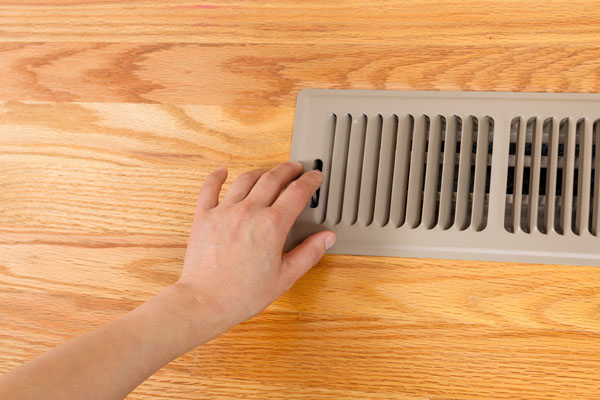
Knowing what causes a cooling system to freeze is an important step in correcting the issue and reducing the likelihood of future problems with the system. Several conditions can lead to a freeze-up:
- Low Refrigerant in the AC System: When refrigerant levels decrease due to a leak, the system pressure drops. This can cause the evaporator coil to become excessively cold and develop ice.
- Restricted HVAC Airflow: Clogged air filters, blocked supply vents, or a failing blower motor can limit airflow through the system. Without adequate airflow, the evaporator coil may freeze due to insufficient heat absorption.
- Thermostat or System Control Problems: A malfunctioning thermostat or improper thermostat settings can cause abnormal cooling cycles, leading the air conditioner to run longer than necessary and freeze the coil.
- Dirty Evaporator Coils: Accumulated dirt and debris on evaporator coils act as insulation, reducing heat transfer and increasing the chance of ice formation during normal operation.
Restore Your Cooling System Quickly: Contact Lawes Company for prompt, dependable air conditioning repair services. Call today!
What to Do Immediately When Your Cooling System Freezes

If your air conditioner freezes, taking prompt action can help limit damage and restore proper performance. Follow these steps as soon as possible:
- Shut Off the Air Conditioning System: Turn off the frozen air conditioning system immediately to help prevent additional damage. The unit must fully thaw before any inspection or repair work can begin.
- Inspect and Change the HVAC Air Filter: A dirty air filter can greatly reduce airflow and contribute to evaporator coil icing. Check the filter and replace it if needed to improve circulation and minimize stress on the system.
- Look for Obstructed Vents and Registers: Blocked vents can interfere with airflow and increase the risk of ice buildup. Walk through your home and confirm that all vents and registers are open and free from furniture, curtains, or other obstructions.
- Contact a Professional HVAC Technician: If your frozen air conditioner continues to have problems after basic checks, call a qualified HVAC technician. A professional can identify deeper issues, including refrigerant leaks, thermostat malfunctions, or other system defects, and deliver dependable AC repair solutions.
Maintain Reliable Indoor Comfort: Trust Lawes Company for professional air conditioning services tailored to your cooling needs. Contact us today!
How to Help Prevent Future Air Conditioner Freeze-Ups

Keeping your air conditioner from freezing again requires regular maintenance and close attention to how the system operates. Use these effective practices to support efficient performance and reduce the risk of future cooling interruptions.
Routine Air Conditioner Maintenance
One of the most effective ways to maintain a cooling system is through regular professional service. Scheduled inspections help identify developing issues early, including worn parts, airflow restrictions, or refrigerant leaks, before they lead to a frozen air conditioner.
Address AC Problems Before They Worsen: Schedule service with Lawes Company to restore performance and help avoid costly repairs. Call today!
Change HVAC Air Filters on a Regular Schedule
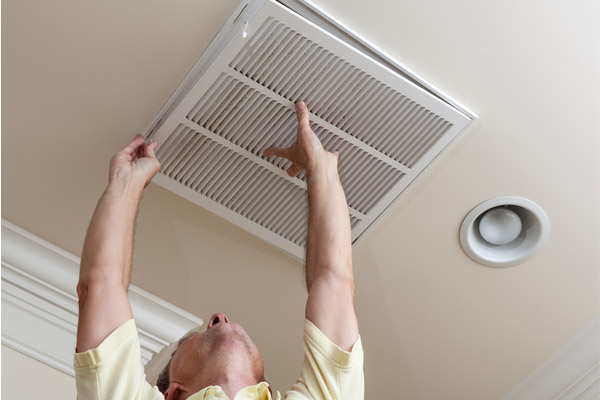
Replacing air filters every 1 to 3 months helps maintain proper airflow and minimizes strain on your air conditioning system. Clean filters support consistent air circulation, reducing the risk of pressure imbalances that can contribute to evaporator coil icing.
Maintain Proper Refrigerant Levels
Insufficient refrigerant can reduce cooling performance and cause the evaporator coil to freeze. Having a professional inspect refrigerant levels helps verify that the system is leak-free and properly charged for efficient, reliable operation.
Restore Peak Cooling Performance: Contact Lawes Company today for thorough air conditioning solutions and dependable service. Call now!
Keep Condenser Coils Free of Dirt and Debris
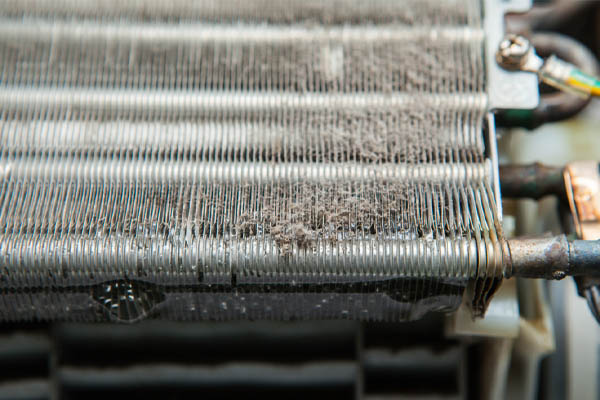
Accumulated dirt and debris on the coils can restrict heat transfer and increase the likelihood of a frozen air conditioner. Cleaning the evaporator and condenser coils during routine maintenance helps boost energy efficiency and reduces the risk of ice buildup.
Verify and Adjust Thermostat Settings
Thermostat problems can cause longer cooling cycles that contribute to coil freezing. Maintain reasonable temperature settings and ensure the thermostat is properly calibrated and operating correctly to support consistent system performance.
Trust Your Local Cooling Professionals: Keep your home comfortable and your AC running efficiently with Lawes Company. Call today!
When to Contact an HVAC Professional

If your air conditioning system continues to freeze after completing basic troubleshooting steps, it is time to contact an HVAC professional. Recurring freeze-ups often indicate more serious problems, such as refrigerant leaks, airflow limitations, or failing system components. Strange noises from the air conditioner or musty odors may also point to mechanical or electrical issues that require professional evaluation.
In addition, if your system has difficulty cooling your home effectively or your energy costs continue to rise, professional air conditioning repairs can help restore efficiency and prevent additional damage. Timely service from a qualified technician supports dependable operation and long-term system performance.
Reliable Air Conditioning Service When You Need It: Call Lawes Company for expert repairs and professional maintenance solutions. Contact us today!
What To Do When Your AC Unit Freezes Up: Frequently Asked Questions
Can a Frozen Air Conditioner Cause System Damage?
Yes, a frozen air conditioner can place excessive strain on the compressor, potentially resulting in overheating or costly component damage if the issue is not resolved promptly. Ice accumulation also restricts airflow, forcing the system to operate longer and work harder than intended. Allowing the coils to thaw and having the unit inspected by a qualified technician can help prevent more extensive repairs.
Why Does My Cooling System Keep Freezing After I Thaw It?
If your air conditioner continues to freeze after the ice has melted, the underlying cause is likely still present. Repeated freeze-ups often indicate issues such as low refrigerant levels, a malfunctioning blower motor, restricted airflow, or other system defects. Having a certified HVAC technician inspect the unit is the most effective way to identify the source of the problem and restore reliable, efficient operation.
What Factors Increase the Risk of an AC Freezing?
Several conditions can make an air conditioner more susceptible to freezing. High indoor humidity can create excess moisture on the coils, which may turn to ice when airflow is restricted. Restricted airflow, dirty filters, blocked vents, and refrigerant-related issues are among the most common causes. Routine maintenance, regular filter replacement, and keeping vents open and unobstructed can help reduce the risk of freeze-ups.
Professional Air Conditioning Care at a Great Value: Trust Lawes Company for reliable maintenance and cooling solutions tailored to your home. Call now!
How Can I Tell if My Air Conditioner Is Freezing Before Ice Becomes Visible?
Early signs of a freezing air conditioner often include weak airflow, warmer air coming from the vents, or longer cooling cycles as the system struggles to maintain the desired temperature. Unusual sounds, such as rattling or whistling, may also occur before ice develops. Identifying these warning signs early can ensure further damage doesn’t occur. It also allows for quicker repairs.
Are Older Air Conditioning Systems More Likely to Freeze?
Yes. Older air conditioning systems are generally more prone to freeze-ups due to worn components, aging refrigerant systems, and declining efficiency. Over time, reduced airflow and cooling performance can increase the risk of ice buildup. Routine tune-ups and prompt replacement of worn parts can help minimize freezing issues in older units.
Conclusion
A frozen air conditioning unit can be caused by low refrigerant levels, restricted airflow, dirty evaporator coils, or thermostat issues. Taking immediate action, such as shutting off the unit, checking for blocked vents, and replacing dirty filters, can help prevent additional damage. Long-term protection depends on routine air conditioner maintenance, proper refrigerant inspections, and keeping system components clean.
If your air conditioner repeatedly freezes or begins showing signs of poor performance, odd noises, or rising energy costs, professional service may be necessary. Trust Lawes Company for expert air conditioning repairs, frozen AC system solutions, and preventative maintenance services that help restore efficiency and keep your home comfortable throughout the cooling season.
Keep Your Cooling System Performing at Its Best: Contact Lawes Company today for professional air conditioner maintenance and repair services. Call now!
Contact Lawes Company for Premier HVAC Services
At Lawes Company, our professionally certified HVAC technicians provide professional tune-ups, repairs, installations, and system replacements. With extensive training and years of hands-on experience, we deliver dependable service that supports lasting comfort and reliable system performance.
We are dedicated to providing exceptional service and value throughout the Jersey Shore area. Our maintenance services help improve energy efficiency, lower utility costs, and extend equipment life. Whether you need a repair, system upgrade, or complete replacement, we recommend solutions that align with your comfort goals and budget.
Our commitment to customer satisfaction backs every job. Reach out to Lawes Company today to schedule a service appointment or in-home consultation. Call now!
Schedule your service with Lawes Company today to keep your air conditioning system operating efficiently and reliably. Call now to book your appointment.
Contact us now at (732) 741-6300 to find out more! Click the link to view our service area.

Related Articles: