
Avoid Costly Mistakes: Selecting The Right HVAC Contractor

Choosing the right HVAC contractor plays a direct role in protecting your system’s efficiency, reliability, and operational safety. Working with an underqualified provider can lead to unnecessary costs and avoidable hazards over time. Lawes Company stands as a leading HVAC service provider in the area, recognized for prompt, reliable service and a strong commitment to…
Read MoreThe Biggest Changes In HVAC Technology Over The Last 10 Years

Heating and cooling systems have evolved rapidly, driven by efficiency demands, smart controls, and improved environmental standards. From advanced heat pumps to connected thermostats and variable-speed performance, modern innovations are reshaping indoor comfort. Understanding these changes reveals how today’s HVAC technology is redefining performance, energy use, and the way buildings maintain consistent, healthier environments year-round.
Read MoreThe Hidden Costs of Power Outages & How a Generator Saves Money in the Long Run
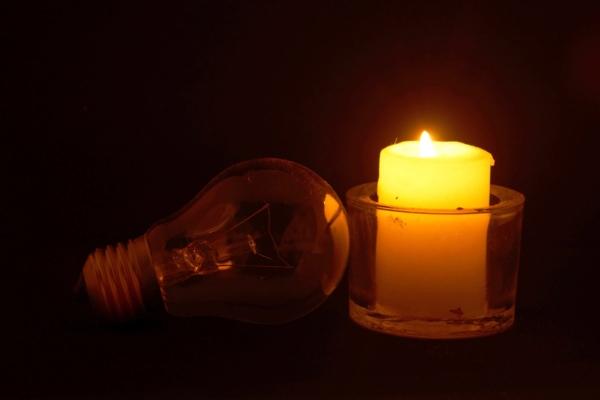
Power outages can trigger more than temporary inconvenience, often leading to unexpected expenses that build over time. From disrupted routines to hidden household risks, the financial impact is often underestimated. Understanding where these costs come from reveals why backup power solutions are increasingly considered a practical way to protect both your home and long-term budget.
Read MoreFurnace Leaking Water: Why It Happens And What To Check
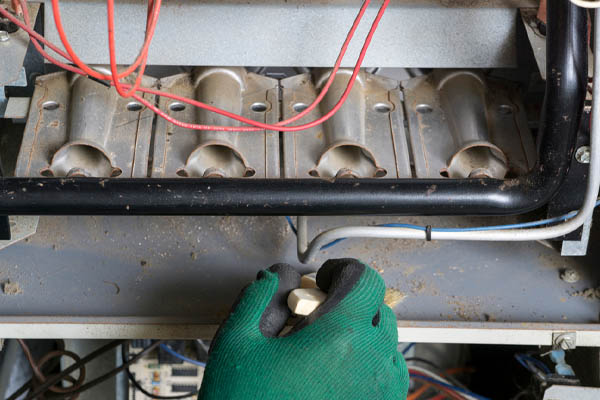
Discovering water around your furnace can be alarming, especially when the system seemed to be working normally. A furnace leaking water often points to underlying issues. Understanding the possible causes and why they occur can help homeowners recognize early warning signs and take the right steps before minor moisture problems become larger concerns.
Read MoreIs Heating Oil Still A Cost-Effective Choice Today?

Rising energy costs leave many homeowners questioning whether fuel efficiency and affordable heating oil can still go hand in hand. Market shifts, evolving equipment technology, and seasonal demand all play a role in shaping winter expenses. Understanding what truly influences pricing and performance can help households make smarter, more confident decisions before colder weather arrives.
Read MoreFurnace Sizing Explained: Why The Right Fit Matters
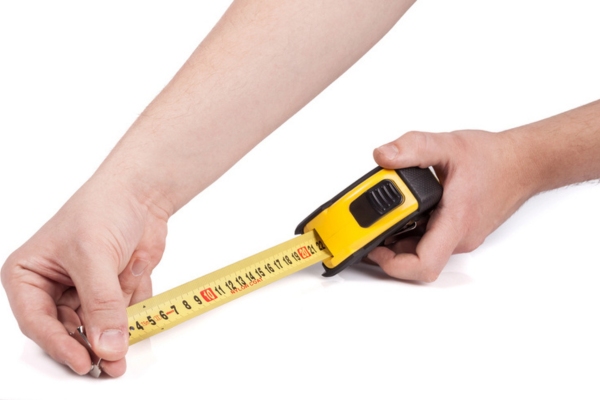
Choosing the right furnace involves more than picking a model with enough power. Size plays a critical role in comfort, efficiency, and long-term performance. When a system is not properly matched to a home’s needs, problems can quickly follow. Understanding how sizing works can help prevent common heating issues and unexpected costs down the road.
Read MoreWhy Heating Oil Remains a Trusted Home Energy Source
When temperatures plunge, dependable heat becomes essential. For generations, homeowners have relied on heating oil for steady performance, strong heat output, and reliable winter comfort. But what keeps it a trusted choice in today’s evolving energy landscape? Explore the key qualities that keep heating oil a consistent and valued home energy solution.
Read MoreChoosing The Right Heating System Size For Your Home

Choosing the right heating system size affects comfort, efficiency, and long-term performance more than many homeowners realize. Too large or too small, and problems can follow. Understanding how sizing works, what factors matter most, and why professional calculations are essential helps set realistic expectations before replacing or upgrading a home heating system.
Read MoreWhat Deep Snow Means For Whole-House Generator Performance
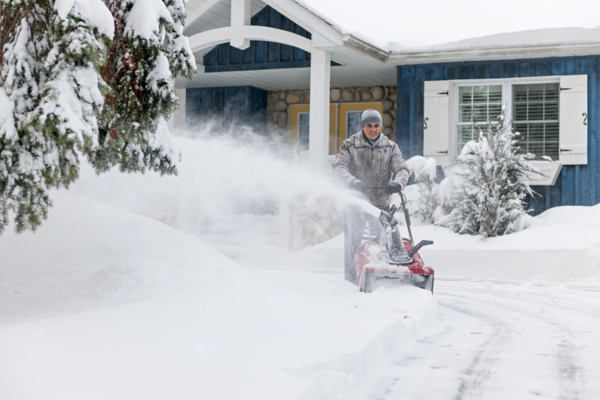
Winter storms can challenge even reliable backup power systems. When a generator faces deep snow accumulation, hidden risks may affect performance, safety, and reliability. From airflow concerns to maintenance obstacles, heavy snowfall introduces problems many homeowners overlook. Understanding what happens during severe winter conditions can help you stay informed before the next outage strikes.
Read MoreSimple Furnace Troubleshooting Options
Winter puts extra strain on home heating systems, making furnace problems more common when temperatures drop. From uneven heat to strange noises and sudden shutdowns, small issues can quickly affect comfort and safety. Understanding why furnaces struggle in cold weather helps homeowners recognize early warning signs before problems become more serious.
Read More