Is Your HVAC System Protected From Power Surges?
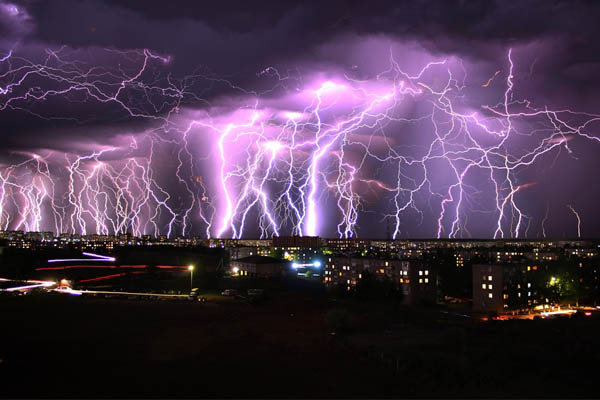
Your HVAC system may be one unexpected electrical spike away from costly damage. Without proper HVAC surge protection, sensitive components like the compressor, fan motor, and control board can be vulnerable to sudden voltage increases from lightning, utility disruptions, power restoration, and grid fluctuations. Even a brief surge can damage electronics, shorten equipment life, or cause unexpected system failure.
This article covers how power surges can affect HVAC equipment, the role of surge protection, and practical measures that can help safeguard your heating and cooling system from electrical damage.
How Well Is Your HVAC System Protected From Power Surges?
Having surge protection in place can reduce the risk of electrical damage to your HVAC system, but the right level of protection depends on your equipment and electrical setup. A qualified HVAC technician can assess your system, identify potential vulnerabilities, and recommend the right measures to protect critical components from power surges and related electrical disturbances.
What is a Power Surge?
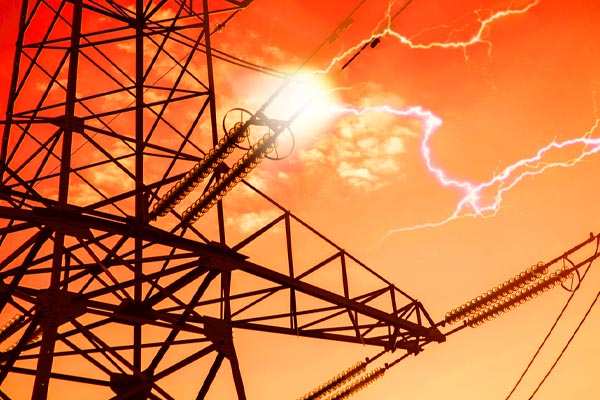
A power surge occurs when electrical voltage supplied to a home or building suddenly rises above its normal operating level. Surges can result from lightning strikes, utility grid disturbances, power restoration after an outage, or the switching of high-powered electrical equipment.
Although a power surge may last only a fraction of a second, the excess voltage can damage sensitive electrical components. In an HVAC system, this electrical stress may cause components to malfunction, weaken over time, or fail completely.
Power Surge, Power Outage, & Brownout: What’s the Difference?
Power surges, outages, and brownouts all disrupt the electrical supply, but each affects your HVAC system differently. Understanding these differences helps you recognize potential electrical risks and determine when you may need additional protection.
- Power Surge: A power surge is a sudden, brief increase in electrical voltage that can occur within a fraction of a second. Lightning strikes, utility grid disturbances, and the switching of high-powered equipment can trigger these voltage spikes. Even a short surge can damage sensitive HVAC components, including control boards, motors, capacitors, and compressors.
- Power Outage: A power outage is a complete interruption of electrical service to a home, building, or larger area. Severe weather, utility equipment failures, accidents, and scheduled grid maintenance are common causes. Although the loss of power itself does not necessarily damage HVAC equipment, voltage fluctuations or surges that occur when electricity is restored can pose a risk.
- Brownout: A brownout occurs when electrical voltage drops below its normal level without shutting off completely. It may cause lights to dim or flicker and electrical equipment to operate improperly. Brownouts can result from heavy demand on the electrical grid, utility problems, or issues within a property’s electrical system. HVAC motors and compressors may experience added stress when operating under prolonged low-voltage conditions.
HVAC Components That a Power Surge Can Damage
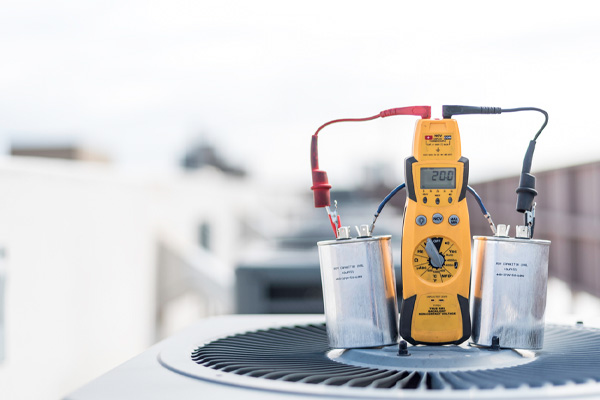
Modern HVAC systems rely on several electrical and electronic components that can be vulnerable to sudden voltage spikes. Depending on the strength of the surge, damage may cause immediate system failure or weaken components and contribute to premature failure over time.
HVAC Control Board
The control board manages HVAC operations by processing thermostat signals and coordinating heating, cooling, and airflow components. Since it contains sensitive electronic circuitry, a power surge can damage the board and disrupt system communication. This may cause erratic operation, failure to start, improper cycling, or a complete loss of heating or cooling.
HVAC Compressor
The compressor is one of the most important and costly components in an air conditioner or heat pump. It compresses refrigerant, increasing its pressure and temperature so heat can be transferred through the refrigeration cycle.
Excessive voltage or current can overheat the compressor motor’s electrical windings. A severe surge may damage the windings, insulation, terminals, or other electrical components, resulting in poor cooling, starting problems, tripped breakers, or complete compressor failure.
HVAC Capacitor
HVAC capacitors store electrical energy and provide the electrical boost certain motors need to start or operate efficiently. They are commonly used with compressors and condenser fan motors. A voltage spike can place excessive stress on a capacitor, causing it to weaken or fail. This may prevent a motor from starting properly, reduce operating efficiency, and place additional strain on other HVAC components.
HVAC Relay Switch and Contactor
Relays and contactors are electrically controlled switches that supply power to compressors, fan motors, and other high-voltage HVAC components. A power surge can damage their coils, contacts, or electrical connections. Burned or pitted contacts can disrupt electrical flow, while a damaged coil may prevent the switch from opening or closing properly. Either problem can stop individual components or the entire HVAC system from operating correctly.
How to Prevent Power Surge Damage to Your HVAC System in NJ
Power surges can damage sensitive HVAC components and cause expensive repairs or premature equipment failure. Taking the right preventive measures can reduce these risks and better protect your system.
- Install HVAC Surge Protection: A surge protective device designed for HVAC equipment can help limit excess voltage before it reaches sensitive components. Have a qualified professional select and install the appropriate protection for your system.
- Consider Whole-Home Surge Protection: A whole-home surge protector installed at the electrical panel provides broader protection for HVAC equipment and other connected appliances. Layering whole-home protection with dedicated HVAC surge protection can add an extra layer of defense.
- Keep Electrical Components in Good Condition: Damaged wiring, loose connections, and deteriorated electrical components can increase the risk of HVAC problems during electrical disturbances. Have a qualified professional inspect and correct electrical issues.
- Maintain Your HVAC System: Routine professional maintenance can identify worn components, loose electrical connections, failing capacitors, and other issues that could make the system more vulnerable to electrical problems.
- Have the System Checked After a Major Surge: Lightning, utility disturbances, or power restoration can sometimes damage HVAC components without immediately causing complete failure. If your system begins making unusual noises, cycling irregularly, or performing poorly after an electrical event, schedule a professional inspection.
Warranty Coverage for HVAC Power Surge Damage
Many HVAC manufacturer warranties exclude damage caused by external electrical events, including power surges and lightning strikes. Homeowners insurance may provide coverage in certain situations, but eligibility depends on the policy, cause of damage, deductible, and supporting documentation.
Without applicable coverage, homeowners may be responsible for repair or replacement costs following surge-related HVAC damage. Review your HVAC warranty and insurance policy so you understand your coverage before an electrical event occurs.
FAQs: HVAC Surge Protection

How Can I Tell If My HVAC System Has Surge Protection?
Look for a surge protective device installed near the outdoor HVAC unit, disconnect box, or electrical panel. Since these devices are not always easy to identify, an HVAC technician or electrician can confirm whether protection is installed and whether it is appropriate for your equipment.
How Long Does an HVAC Surge Protector Last?
There is no universal lifespan because surge protectors absorb electrical events over time, and a significant surge can reduce their protective capacity. Some models include indicator lights that show their operating status. Periodic professional inspection can help determine whether replacement is necessary.
Can an HVAC Surge Protector Stop Damage From a Direct Lightning Strike?
Surge protection can reduce the risk of damage from many voltage spikes, including some lightning-related surges. Still, no device can guarantee protection against a direct or extremely powerful lightning strike. Proper grounding and professionally installed surge protection provide a stronger overall defense.
Do New HVAC Systems Need Surge Protection?
New HVAC systems can benefit from surge protection, particularly because modern equipment often contains sophisticated electronic controls, sensors, and variable-speed components. Protecting these electronics from voltage spikes can help reduce the risk of premature electrical failure.
Can Repeated Small Power Surges Damage an HVAC System?
Yes. Smaller surges may not cause immediate failure, but repeated electrical stress can gradually weaken sensitive components. Over time, this accumulated damage may contribute to erratic operation, reduced component life, or unexpected system failure.
Conclusion
Power surges can damage sensitive HVAC components, shorten equipment life, and lead to costly repairs or premature replacement. Proper surge protection, routine system maintenance, and professional electrical inspections can help reduce these risks and protect your investment.
Contact Lawes Company today for an HVAC surge protection evaluation. Our experienced technicians can identify electrical vulnerabilities and recommend solutions to help protect your system from power surge damage.
Call Lawes Company For All Of Your HVAC Requirements across the Jersey Shore area
Lawes Company provides dependable heating and cooling services throughout the Jersey Shore area. Our certified HVAC technicians handle system tune-ups, repairs, installations, replacements, and other comfort needs with professional care. With extensive industry experience, our team delivers reliable solutions that keep HVAC systems operating properly and efficiently.
We combine quality workmanship with competitive heating and cooling service rates. Our maintenance services help improve indoor comfort, support energy efficiency, and manage heating and cooling costs. When repairs or equipment replacement are needed, our technicians can recommend solutions suited to your property, comfort requirements, and budget.
Lawes Company stands behind our work and is committed to customer satisfaction. Call us today to schedule an HVAC service appointment.
Contact us now at (732) 741-6300 to find out more! Click the link to view our service area.

Related Articles: