Generator Maintenance 101: Tips to Keep Your Backup Power Ready
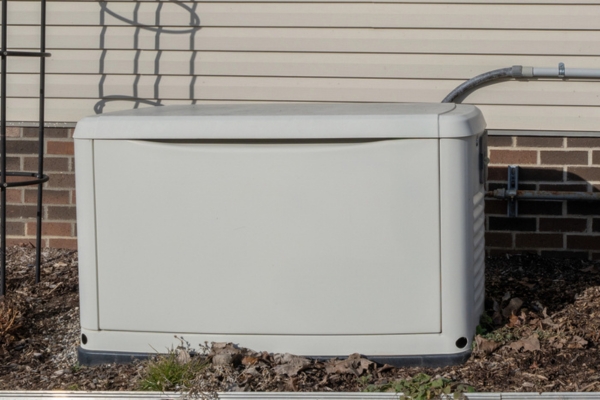
A power outage can happen without warning, making a reliable backup generator essential for keeping your home powered when electricity is unavailable. However, even a dependable system can develop problems without regular maintenance, potentially leaving your household without power when it matters most. Proper generator maintenance helps prevent unexpected failures, extend equipment lifespan, and ensure reliable performance.
This article covers essential maintenance tips, simple tasks homeowners can safely handle, and warning signs that indicate when professional service is necessary.
Why Regular Generator Maintenance Matters
Regular generator maintenance helps ensure reliable performance, safe operation, and a longer equipment lifespan. Routine servicing keeps critical components in good condition, reducing wear and the risk of unexpected failures. Safety is another important consideration.
Inspections can uncover fuel leaks, electrical faults, and exhaust problems before they become serious hazards. Addressing minor issues early also helps prevent costly repairs and extends the generator’s service life. With proper maintenance, your backup power system stays ready when an outage occurs.
Essential Generator Maintenance Tips for Homeowners in the Jersey Shore area
Regular maintenance keeps your backup generator in good working order and ready for unexpected outages. Some tasks are simple enough for homeowners to handle, while others require professional expertise to ensure safe, reliable operation.
1. Keep the Generator and Surrounding Area Clean
Leaves, dirt, snow, and other debris can accumulate around your generator, restricting airflow and affecting performance. Homeowners should regularly clear the surrounding area and maintain the manufacturer’s recommended clearance around ventilation openings and exhaust outlets. Keep combustible materials away from the unit to reduce fire hazards.
2. Inspect the Generator for Visible Damage
Routine visual inspections can help homeowners identify potential problems before they worsen. Look for corrosion, damaged panels, fluid leaks, or signs of animal activity. Watch for unusual changes in the generator’s exterior condition. If you notice exposed wiring, suspected fuel leaks, or significant damage, contact a qualified technician for further inspection.
3. Monitor Automatic Exercise Cycles
Standby generators typically run scheduled exercise cycles to help verify that they can start and operate properly. Homeowners should confirm these cycles run as programmed and that the generator stays in automatic standby mode. Check the control panel or monitoring application for warning messages. Repeated starting failures or unsuccessful exercise cycles require professional attention.
4. Check the Generator Battery
A weak or failing battery can prevent your generator from starting during an outage. Have a qualified technician inspect the battery, test its charge and charging system, and check for corrosion or loose connections. Replace the battery per the manufacturer’s recommendations to maintain dependable starting performance.
5. Change Engine Oil and Filters
Clean engine oil provides essential lubrication, while filters help protect internal components from contaminants. Over time, oil degrades, and filters clog, increasing engine wear. Schedule professional oil changes and filter replacements according to the manufacturer’s recommended service intervals and operating hours.
6. Inspect the Fuel System
A reliable fuel supply is essential for consistent generator performance. Fuel lines, regulators, valves, and connections can develop leaks or deteriorate over time. Have a qualified technician inspect these components and verify proper fuel delivery. Professional servicing helps prevent fuel-related failures and potential safety hazards.
7. Test the Automatic Transfer Switch
The automatic transfer switch detects utility power interruptions and transfers electrical loads to the generator. If it malfunctions, your generator may fail to supply power even when the engine starts successfully. A qualified electrician or generator technician should inspect and test the switch to verify proper operation and safe power transfer.
8. Check the Cooling and Exhaust Systems
Proper cooling and ventilation help prevent overheating and maintain safe generator operation. Homeowners can visually check that exterior ventilation openings remain unobstructed. A qualified technician should inspect cooling components, exhaust connections, and related systems for damage, leaks, or deterioration. These inspections help maintain efficient operation and reduce safety risks.
9. Follow the Manufacturer’s Maintenance Schedule
Every generator has specific maintenance requirements based on its design, operating hours, and usage conditions. Homeowners should review the owner’s manual, track operating hours, and maintain records of completed services. Schedule professional inspections and component replacements at the recommended intervals. Consistent maintenance extends equipment lifespan and keeps your generator ready for unexpected outages.
Warning Signs Your Generator Needs Professional Attention
Even with regular maintenance, generators can develop problems that affect their performance and reliability. Recognizing warning signs early can help prevent unexpected breakdowns and costly repairs. Get in touch with a qualified technician if you notice any of the following:
- Difficulty Starting: Repeated starting failures or unsuccessful exercise cycles may indicate battery, ignition, or fuel system problems.
- Unusual Noises or Vibrations: Knocking, grinding, rattling, or excessive shaking can signal loose components, mechanical wear, or internal engine problems.
- Fluid Leaks or Strange Odors: Oil leaks, fuel odors, or burning smells may indicate serious safety hazards. Suspected gas leaks require immediate precautions and assistance from your fuel supplier or emergency services.
- Warning Lights or Error Codes: Persistent control panel alerts may indicate overdue maintenance, malfunctioning components, or operating faults that require professional diagnosis.
- Unexpected Shutdowns: A generator that stops running without warning may have fuel delivery issues, overheating problems, or electrical malfunctions.
- Excessive Exhaust Smoke: Unusual exhaust smoke or recurring overheating may indicate engine problems, restricted airflow, or exhaust system issues that require professional inspection.
Addressing these warning signs promptly helps protect your generator from further damage and ensures it remains ready for the next power outage.
Generator Maintenance in NJ Before and After a Power Outage
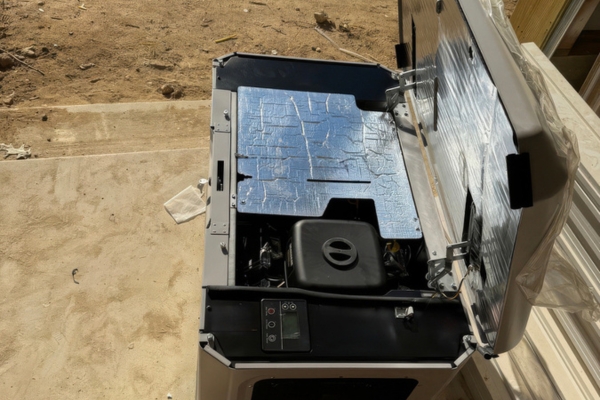
Preparing your generator before severe weather helps ensure it runs reliably during an outage. Clear debris from the surrounding area, check the generator’s status, and confirm that professional maintenance is up to date. During extended outages, monitor its performance from a safe location and avoid overloading the system.
Once utility power returns, verify that the generator shuts down properly and switches back to automatic standby mode. Review operating hours and check for visible signs of damage or leaks. If the generator has operated for an extended period or shows unusual performance issues, schedule professional servicing according to the manufacturer’s recommendations.
FAQs: Generator Maintenance

Can Extreme Weather Affect Generator Performance?
Yes. Extreme heat, freezing temperatures, heavy snowfall, and excessive moisture can affect generator components and operating conditions. Proper installation, weather protection, and manufacturer-recommended maintenance help reduce these risks.
How Long Can a Whole-House Generator Last With Proper Maintenance?
A well-maintained whole-house generator can last approximately 15 to 30 years, depending on equipment quality, operating hours, environmental conditions, and maintenance history. Actual service life varies by model and usage.
Can I Run My Generator Without Any Appliances Connected?
Yes. Standby generators typically perform scheduled exercise cycles without supplying household electrical loads. However, some manufacturers recommend periodic load testing to verify performance under actual operating conditions.
Does a Standby Generator Need Carbon Monoxide Detectors Nearby?
Yes. Homes with standby generators should have functioning carbon monoxide detectors installed according to applicable safety requirements. Keep generators outdoors with proper clearance from windows, doors, vents, and other openings to prevent exhaust gases from entering the home.
Can I Use My Generator While Waiting for a Maintenance Appointment?
It depends on the generator’s condition. A generator with a routine maintenance reminder may remain operational, but warning codes, fuel leaks, unusual noises, or other safety concerns require professional evaluation. Never operate a generator with a suspected hazardous malfunction.
Conclusion
Regular generator maintenance is essential for reliable backup power, safe operation, and a longer equipment lifespan. Homeowners can handle basic cleaning, visual inspections, and routine monitoring, while qualified technicians should manage mechanical, electrical, and fuel system servicing. Following the manufacturer’s maintenance schedule and addressing warning signs promptly helps prevent unexpected failures.
For professional generator maintenance services throughout the Jersey Shore area, contact Lawes Company today. Our experienced technicians can keep your backup power system running safely and efficiently, so your home stays prepared for unexpected outages.
Contact for Reliable Whole-House Generator Services in Jersey Shore area
Lawes Company provides professional whole-house generator services throughout the Jersey Shore area, helping homeowners maintain reliable backup power during unexpected outages. Our experienced technicians deliver quality workmanship and prioritize safety, efficiency, and long-term performance.
Whether you need routine generator maintenance, professional repairs, or a new installation, Lawes Company offers solutions tailored to your home’s needs and budget. We focus on transparent pricing, clear communication, and dependable service to keep your backup power system ready.
Trust Lawes Company to help protect your home from unexpected power interruptions. Contact us today to schedule a consultation or learn more about our whole-house generator services in the Jersey Shore area. Call now!
Choosing Lawes Company means working with professionals committed to protecting your comfort, safety, and investment. Contact us today to schedule a consultation and take the next step toward dependable whole-house backup power. Call now!
Click here to explore our service area and start your journey to uninterrupted power today.
Contact us now at (732) 741-6300 to find out more!

Related Articles:
- Practical & Beautiful: Landscaping Solutions For Standby Generator Integration
- Stay Powered All Summer: Why a Whole House Backup Generator Matters in Hot Weather
- The Hidden Costs of Power Outages & How a Generator Saves Money in the Long Run
- What Deep Snow Means For Whole-House Generator Performance
- Storm Preparedness: How Standby Generators Keep Your Home Safe