Common Reasons A Furnace Pilot Light Won’t Stay Lit
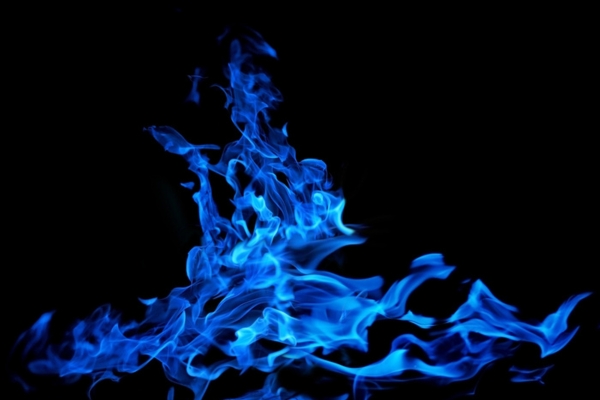
A furnace pilot light that shuts off after a heating cycle may indicate an issue with the thermocouple, fuel supply, pilot assembly, or another part needed to keep the flame burning steadily. If the pilot repeatedly goes out, the furnace may fail to start during the next heating cycle, leaving your home without dependable warmth.
Relighting the pilot repeatedly may get the furnace running again temporarily, but it will not correct the source of the problem. This article explains the reasons a furnace pilot light goes out after heating, the warning signs homeowners should recognize, and when professional furnace service may be needed.
Why a Furnace Pilot Light Goes Out After a Heating Cycle
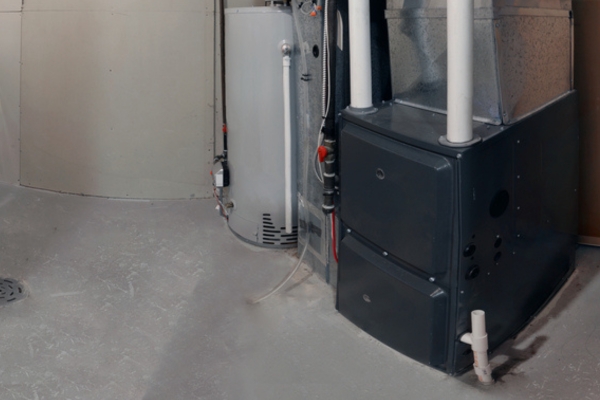
In older gas furnaces, the pilot light provides the flame needed to ignite the burners. When it repeatedly shuts off after heating, the problem may stem from the thermocouple, pilot assembly, gas supply, or improper airflow. A qualified HVAC technician can determine the cause and restore dependable furnace operation.
Common causes of a furnace pilot light going out after a heating cycle include:
1. Worn or Malfunctioning Furnace Thermocouple
The thermocouple is a critical furnace safety component that monitors whether the pilot flame is burning. When it detects a steady flame, the thermocouple keeps the gas valve open. If the flame goes out, it triggers the valve to stop the flow of gas.
A dirty, worn, bent, damaged, or poorly positioned thermocouple may not detect the pilot flame properly. This can make the gas valve close even after the pilot initially ignites, shutting off the flame soon afterward. Thermocouple issues are among the common reasons older furnaces cannot keep a pilot light burning consistently.
2. Blocked or Contaminated Pilot Opening
A properly operating pilot light should produce a steady flame that is primarily blue. When the flame appears weak, flickers frequently, or burns inconsistently, a partially blocked pilot opening may be responsible.
Soot, dust, and other particles can collect inside or around the pilot assembly, limiting gas flow. This restriction may create a flame too weak to adequately heat the thermocouple, prompting the gas valve to close and extinguish the pilot. Regular furnace maintenance helps prevent buildup and keeps the pilot assembly working properly.
3. Poor Combustion Airflow or Venting
A gas furnace needs sufficient combustion air and proper ventilation to keep its flame burning consistently. Issues involving the furnace area, venting components, or surrounding air currents can disrupt normal pilot light operation.
Powerful drafts can weaken or extinguish the pilot flame, while insufficient combustion air may interfere with proper burner performance. An HVAC professional should evaluate these problems because improper ventilation and combustion can pose safety risks beyond a pilot light going out.
4. Unstable Gas Pressure or Supply
An irregular gas supply can make it difficult for the pilot flame to burn consistently. Issues involving gas pressure, the regulator, or another part of the fuel delivery system may cause the pilot flame to weaken or go out.
When several gas appliances develop similar issues at the same time, the problem may involve the broader gas supply. Contact your gas utility or a qualified HVAC technician instead of attempting to inspect, repair, or adjust gas-related components yourself.
5. Short-Term Natural Gas Supply Disruptions
In some situations, the furnace may not be the source of the pilot light problem. A temporary interruption or pressure fluctuation in the local natural gas system can reduce the amount of fuel reaching the furnace pilot and burners.
When other gas appliances also start operating abnormally, look for service alerts from your utility company. Your gas provider can confirm whether a temporary outage, pressure change, or other supply issue is currently affecting your property.
6. Aging Furnace Components and Wear
Standing pilot lights are generally found in older gas furnaces, whereas newer equipment commonly uses electronic ignition systems. Furnaces that depend on a continuously burning pilot may contain older components that are increasingly vulnerable to corrosion, wear, debris buildup, and operational issues.
Frequent pilot light outages may therefore indicate more extensive deterioration within the heating system. A qualified HVAC technician can inspect the ignition system and related furnace components to determine whether repairs are still worthwhile or whether replacing the furnace is the better option.
7. Heat Exchanger Cracks or Deterioration
The heat exchanger moves heat from the combustion process into the air distributed throughout the home. Cracks or other damage to this component can disrupt normal furnace performance and potentially interfere with proper combustion or burner operation.
A damaged heat exchanger presents a serious safety hazard because combustion gases, including carbon monoxide, may enter the home’s circulating air. If you suspect heat exchanger damage, turn off the furnace and contact a qualified HVAC professional for an inspection. Heat exchanger problems require immediate attention and shouldn’t be treated as an ordinary pilot light issue.
Steps to Take When a Furnace Pilot Light Keeps Going Out
If your furnace pilot light continues shutting off, do not rely on repeated relighting as a long-term fix. Recurring outages usually signal an underlying issue that requires professional diagnosis, particularly when gas supply or combustion components are involved. Reach out to a qualified HVAC technician to inspect the furnace, identify the cause, and complete the necessary repairs safely.
Why Routine Furnace Maintenance Matters Along the Jersey Shore
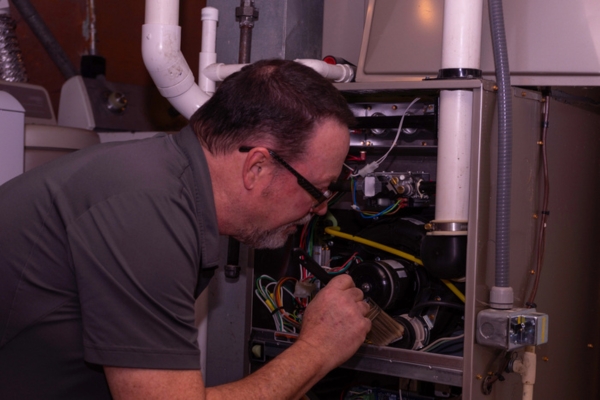
Regular professional maintenance helps your furnace operate reliably throughout the colder months. Important advantages include:
- Reduced Risk of Breakdowns: Technicians can spot worn, damaged, or failing parts before they lead to an unexpected furnace shutdown.
- Reliable Heating Performance: Professional cleaning, inspections, and adjustments help maintain consistent warmth throughout your home.
- Greater Energy Efficiency: A properly maintained furnace can minimize wasted energy, helping homeowners better manage seasonal heating expenses.
- Extended Furnace Lifespan: Addressing smaller issues and limiting unnecessary stress on furnace components can reduce premature equipment wear.
- Enhanced Heating Safety: Professional maintenance includes inspecting important safety controls, combustion components, and venting for potential hazards.
Frequently Asked Questions About Furnace Pilot Light Goes Out After Heating

Is It Normal for a Furnace Pilot Light to Go Out Occasionally?
Yes. An occasional pilot outage can result from a temporary draft or short interruption in the gas supply and may not indicate a serious issue. However, if the pilot light frequently goes out, an underlying furnace problem may be present, and a qualified HVAC technician should evaluate it.
What Does a Normal Furnace Pilot Flame Look Like?
A healthy furnace pilot light typically produces a steady blue flame. A flame that appears yellow or orange, burns weakly, or flickers excessively may signal improper combustion or another furnace issue that a qualified HVAC professional should assess.
Should I Keep Using My Furnace If the Pilot Light Repeatedly Goes Out?
No. Frequent pilot light outages may point to problems with gas flow, combustion, or important furnace safety components. Instead of repeatedly relighting the pilot, stop using the furnace and contact a qualified HVAC technician to determine why the flame will not remain lit.
Should a Furnace Pilot Light Remain Lit Between Heating Cycles?
Yes, older furnaces equipped with a standing pilot system typically keep the pilot burning between heating cycles. The flame serves as the ignition source when the thermostat requests heat. If the pilot shuts off after each cycle, schedule a professional furnace inspection.
Is It Better to Repair or Replace a Furnace With Repeated Pilot Problems?
The decision depends on the furnace’s age, condition, service history, and estimated repair expense. A small ignition-related problem may make repair worthwhile, while persistent pilot issues in an older furnace could make upgrading to a modern heating system a more practical option.
Conclusion
A furnace pilot light that continually goes out can interrupt home heating and indicate an issue requiring professional service. Address problems involving the thermocouple, pilot assembly, gas supply, combustion airflow, or worn components promptly to restore dependable operation. Routine furnace maintenance can further reduce unexpected problems while promoting efficiency, safe performance, and longer equipment life.
If your pilot light will not remain lit, contact Lawes Company today. Our experienced HVAC technicians can identify the cause and complete the appropriate repair to keep your Jersey Shore home warm and comfortable.
Contact Lawes Company for Reliable HVAC Services Along the Jersey Shore
Lawes Company provides professional heating and cooling services for homeowners throughout the Jersey Shore area. Our certified HVAC technicians perform furnace and air conditioning maintenance, repairs, installations, and replacements, delivering dependable solutions based on your home’s specific comfort requirements.
Whether your furnace pilot light repeatedly goes out, your HVAC system requires routine maintenance, or your equipment needs replacement, our team can recommend an appropriate solution based on performance, energy efficiency, and your budget. We are committed to quality workmanship, trustworthy service, and long-lasting results.
Contact Lawes Company today to schedule professional HVAC service or request an in-home estimate.
Contact us now at (732) 741-6300 to find out more! Click the link to view our service area.

Related Articles: